Tips for individuals to recognise healthy relationships at home for themselves or family members and how to challenge unhealthy behaviours and harmful stereotypes and norms.
This resource is related to Foundations for Change Capability 2.1.
Tips for individuals to recognise healthy relationships at home for themselves or family members and how to challenge unhealthy behaviours and harmful stereotypes and norms.
This resource is related to Foundations for Change Capability 2.1.
Tips for communities on addressing restrictive gender norms, challenging violence against women, and fostering gender equality. There are also some tips for responding to violence as a community.
This resource is related to Foundations for Change Capability 2.1.
Traumatic events are common, and most people will experience at least one during their lives. Trauma comes in many forms and affects thousands of Australians every day. Most people recover with the help of family and friends, but there are effective treatments for those needing extra support.
Watch this brief video to understand more about trauma and how it affects people.
Dr Miriam-Rose Ungunmerr describes Dadirri as the practice of Deep Inner Listening and quiet still awareness, which connects us and nurtures spiritual well-being.
This short video provides space to listen deeply, sit in stillness, and reconnect with ourselves, others, and the environment.
How can we be better allies, friends, and colleagues of our our indigenous brothers and sisters? Jahna Cedar has spent a lifetime navigating two worlds with differing practices and responsibilities – code switching. She believes that for reconciliation to progress, code switching needs to be better understood and more widely recognised. Jahna, a proud Nyiyaparli/Yindjibarndi woman from the Pilbara region, has spent over 20 years advocating for equal rights for Indigenous people in Australia.
Violence against women and girls is the most pervasive human rights violation and public health concern, with nearly 1 in 3 women globally, subjected to violence in their lifetime. Data and research on violence against women are critical to better understand the phenomenon, and how to effectively address it.
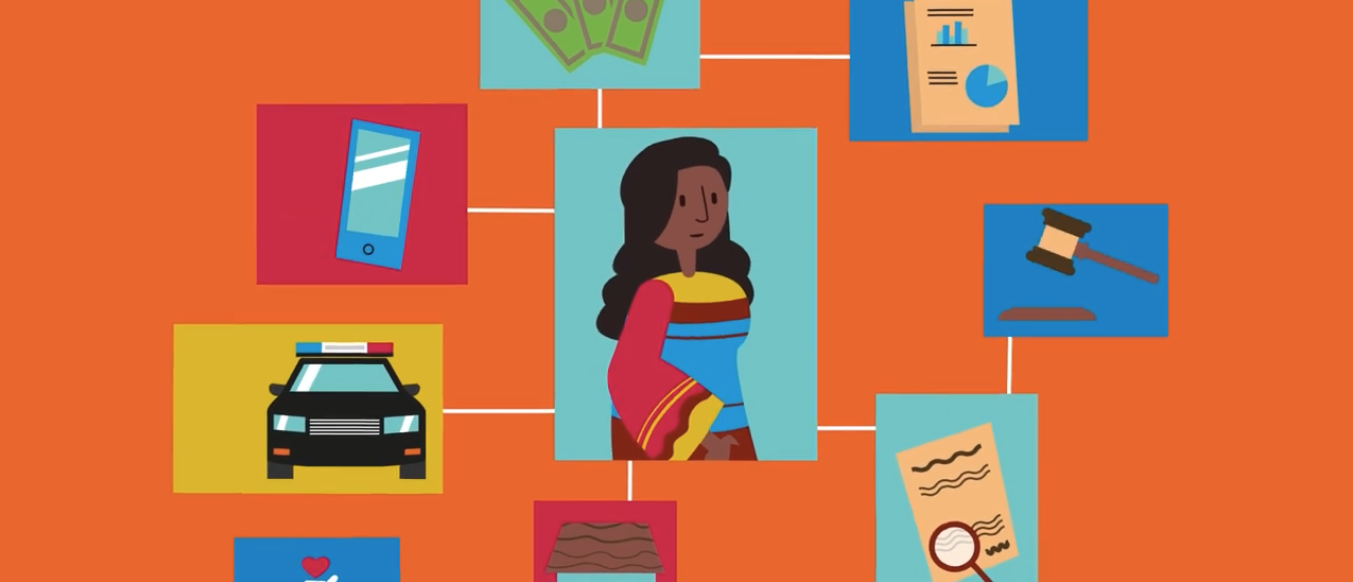
Administrative data on violence against women is collected when survivors and perpetrators of violence interact with hotlines, police and courts, health systems, shelters, and other services. The collection and use of high-quality administrative data is crucial to inform the policies and programmes developed by governments to prevent and respond to violence against women.
UN Women developed a global methodological guidance and works at regional and country level closely with partners to strengthen administrative data systems and enhance the collection and use of administrative data to better prevent and respond to violence against women.