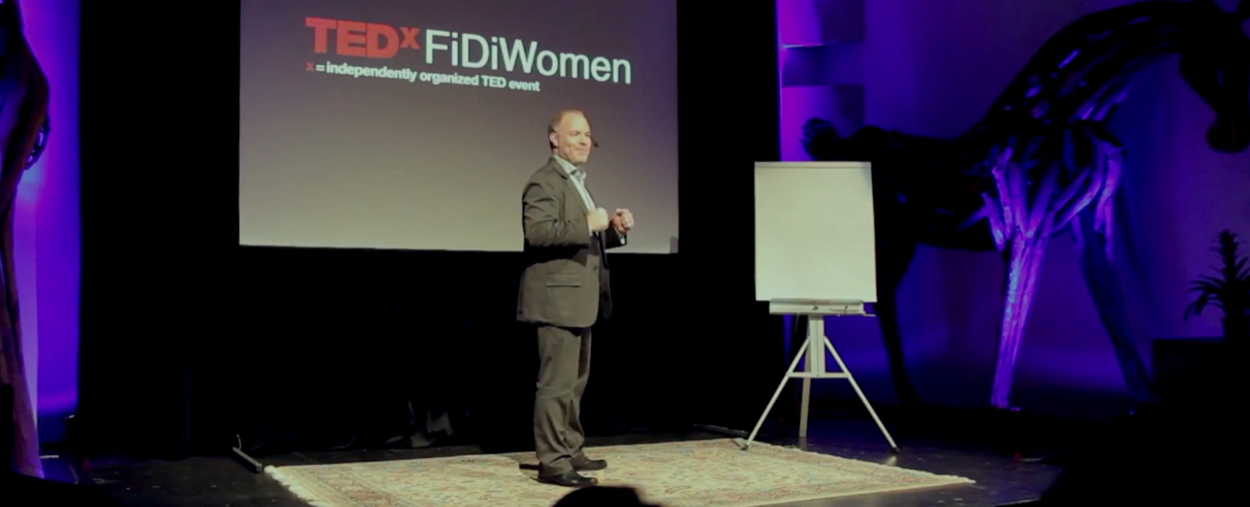
Domestic violence and sexual abuse are often called “women’s issues.” But in this bold, blunt talk, Jackson Katz points out that these are intrinsically men’s issues, and shows how these violent behaviours are tied to definitions of manhood. A clarion call for us all – women and men – to call out unacceptable behaviour and be leaders of change.
Component/Capability: 1: Foundational knowledge
What kind of man do you want to be? – Respect Victoria
Resource Database – Yourtoolkit.com

Change the Story: Second edition – Our Watch
Change the story is Our Watch’s evidence-based framework to guide a coordinated and effective national approach to preventing violence against women.
As outlined in this video, the second edition provides an updated, expanded, evidence-based framework for Australia to continue and strengthen this shared national approach.
Respectful relationships education: Change the story – Our Watch
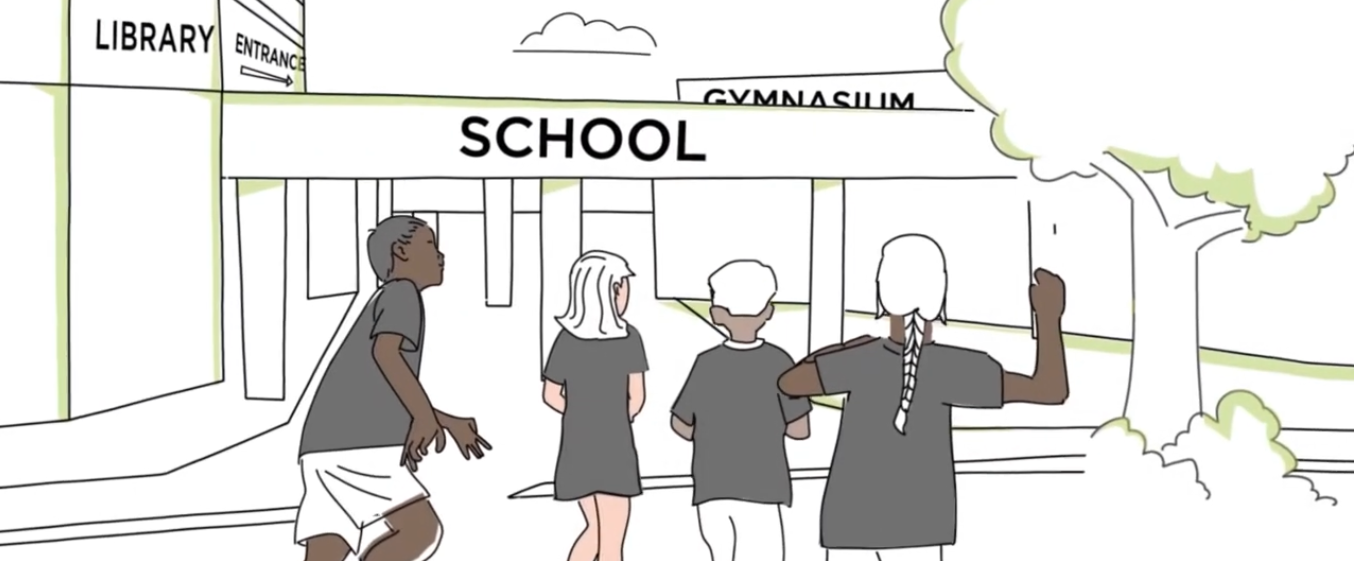
This video provides an overview of respectful relationships education, an holistic approach to school-based primary prevention of gender-based violence.
Respectful relationships education uses the education system as a catalyst for generational and cultural change by engaging schools, as both education institutions and workplaces, to comprehensively address the drivers of gender-based violence and create a future free from violence.
Brief on the Social Ecological Model – UNICEF

“Be a Lady They Said” by Cynthia Nixon – Coachability Foundation
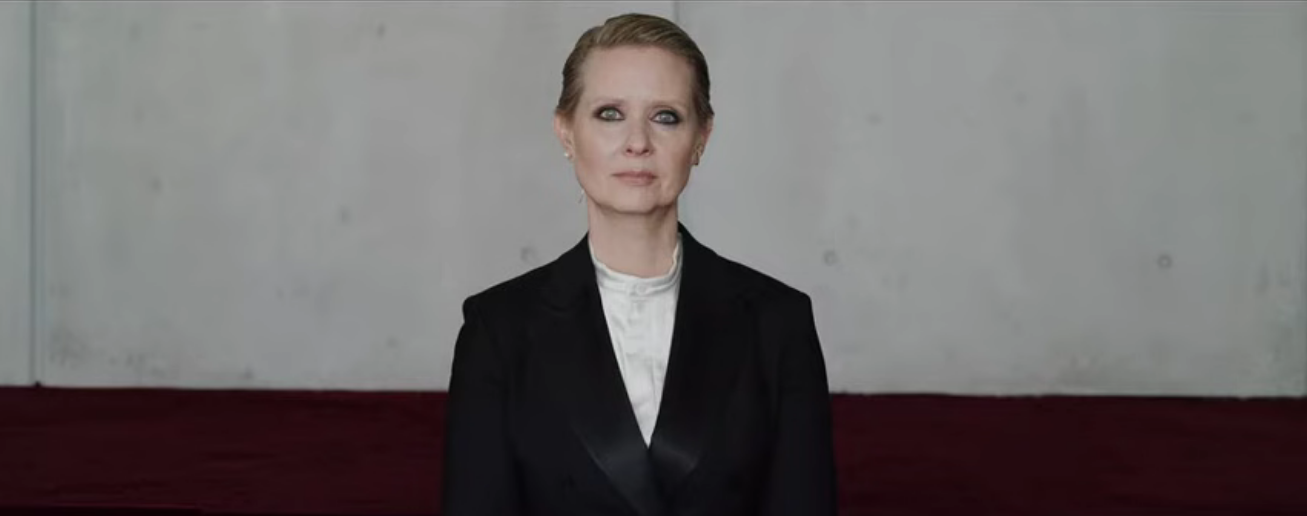
A powerful and confronting compilation of video clips highlighting the many contradictory messages women receive about how they should be in the world, .
Contains some graphic images and some nudity.
The Algorithm of Disrespect – Commonwealth Government
This federal government initiative allows you to explore a young person’s social media experience.
Social media allows young Australians to connect with others, create and maintain relationships and to express themselves. It can also expose them to a world of disrespect.
Social media algorithms, designed to prioritise and favour provocative and polarising content, can automatically serve disrespectful content and violence-supportive attitudes to young Australians, every day. During their teenage years this can influence their views and behaviour, ultimately shaping the type of person and partner they grow up to be.
It can be difficult to censor or moderate the content young people may be exposed to online. It is our responsibility to better understand it so we can empower them, help them navigate it and reject disrespect before it leads to violence.
This resource is related to Foundations for Change Capabilities 1.1, 1.2 and 2.1.
Australia’s shameful violence against women – News.com.au
A short video presenting some harrowing statistics on family and domestic violence, sexual assault and sexual harassment in Australia.
Path to Safety
Path to Safety: Western Australia’s Strategy to Reduce Family and Domestic Violence 2020 – 2030 sets out a clear whole-of-government and community plan for reducing and responding to family and domestic violence over the next decade.
The strategy has four focus areas:
- work with Aboriginal people to strengthen Aboriginal family safety
- act immediately to keep people safe and hold perpetrators to account
- grow primary prevention to stop family and domestic violence
- reform systems to prioritise safety, accountability and collaboration.
The Strategy is supported by action plans that set out what needs to be done to achieve the long-term vision of all Western Australians living free from family and domestic violence.
This resource is related to Foundations for Change Capabilities 1.1 and 7.1.