
Role/User of Resource: Authorisers / Enablers
The Australian National Research Agenda 2023-2028 – ANROWS
Needs assessment – AIFS
Counting on change – ANROWS & Our Watch

Change the Story: Second edition – Our Watch

Change the story is Our Watch’s evidence-based framework to guide a coordinated and effective national approach to preventing violence against women.
As outlined in this video, the second edition provides an updated, expanded, evidence-based framework for Australia to continue and strengthen this shared national approach.
Introduction to reflective practice – CIPD
This video provides a brief introduction to reflective practice, which is an important part of the continuing professional development cycle. Reflective practice can help us learn and implement lessons from past projects, improve the quality of our work and build team morale.
Reflecting by thinking alone isn’t enough, as you may only reaffirm your existing thought process.
Respectful relationships education: Change the story – Our Watch
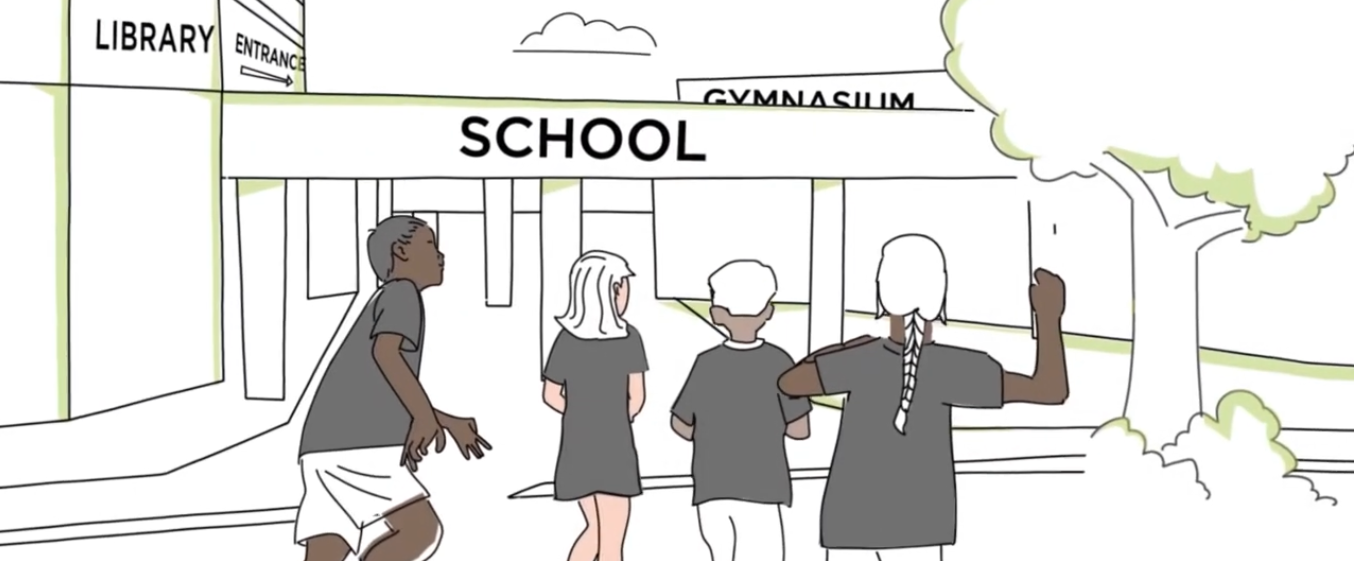
This video provides an overview of respectful relationships education, an holistic approach to school-based primary prevention of gender-based violence.
Respectful relationships education uses the education system as a catalyst for generational and cultural change by engaging schools, as both education institutions and workplaces, to comprehensively address the drivers of gender-based violence and create a future free from violence.
Western Australian Mental Wellbeing Guide – Mental Health Commission
The Western Australian Mental Wellbeing Guide has been developed to update and strengthen the mental health promotion component of the Western Australian Mental Health Promotion, Mental Illness, Alcohol and Other Drug Prevention Plan 2018-2025. While best read in conjunction with the Prevention Plan, the Mental Wellbeing Guide can also be used as a standalone document that provides advice regarding evidence-based approaches to enhance mental wellbeing.
This resource is related to Foundations for Change Capability 6.1.
Path to Safety

Path to Safety: Western Australia’s Strategy to Reduce Family and Domestic Violence 2020 – 2030 sets out a clear whole-of-government and community plan for reducing and responding to family and domestic violence over the next decade.
The strategy has four focus areas:
- work with Aboriginal people to strengthen Aboriginal family safety
- act immediately to keep people safe and hold perpetrators to account
- grow primary prevention to stop family and domestic violence
- reform systems to prioritise safety, accountability and collaboration.
The Strategy is supported by action plans that set out what needs to be done to achieve the long-term vision of all Western Australians living free from family and domestic violence.
This resource is related to Foundations for Change Capabilities 1.1 and 7.1.
The National Plan to End Violence against Women and Children 2022-2032
The National Plan is the overarching national policy framework that will guide actions towards ending violence against women and children in one generation.
It highlights how all parts of society need to work together to end gender-based violence in one generation.
The National Plan outlines this vision across 4 domains:
Prevention – stopping it before it starts by changing underlying social drivers of violence, and addressing the attitudes and systems that drive violence against women and children.
Early intervention – identifying and supporting individuals who are at high risk of experiencing or perpetrating violence, and prevent it from reoccurring.
Response – providing services and supports to help victim-survivors experiencing violence. This includes crisis support, police intervention and a trauma-informed justice system that will hold people who use violence to account.
Recovery and healing – helping to reduce the risk of re-traumatisation by supporting victim-survivors as they recover from their trauma. This includes the physical, mental, emotional and economic impacts of violence.
This resource is related to Foundations for Change Capabilities 1.1, 1.4 and 7.1.