Role/User of Resource: Educators
What does being a man mean to you? – Preventing Violence Together
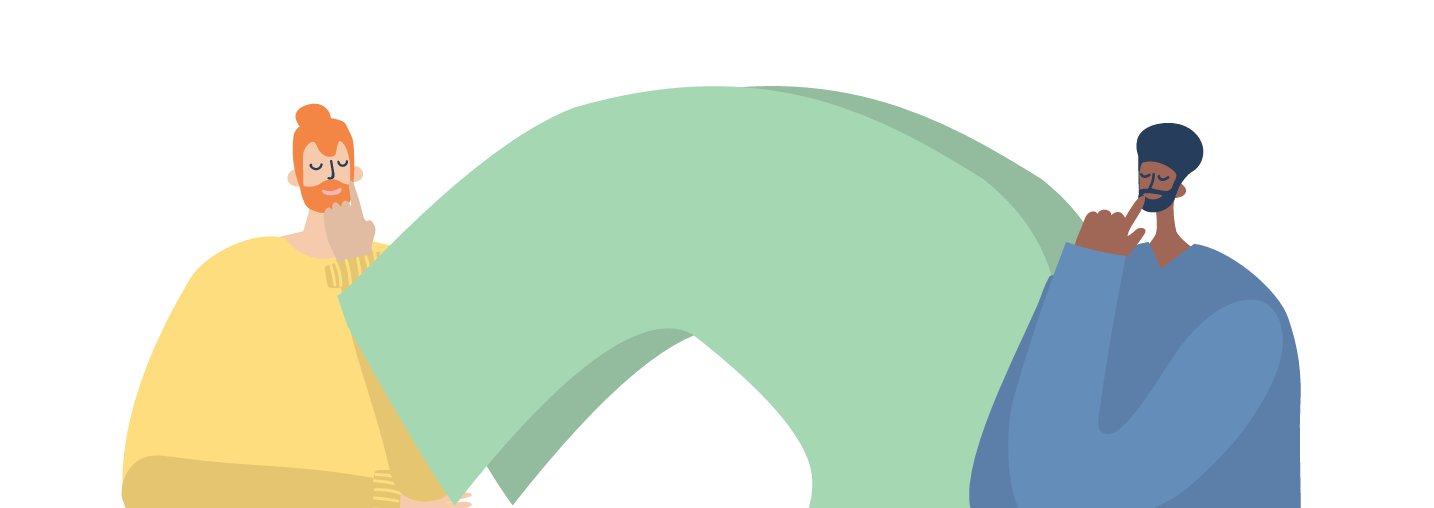
This is a two-sided A4 exercise you can do with men to break down gender stereotypes and consider some ways to break free of the pressure of the “manly” box. This can be used with a dad’s group, at a men’s shed meeting, after training at a sporting club or alongside any activity where men gather together.
This is the youth version of this resource where we’ve included some examples that are more specific to younger people. This version could be used in a classroom at school, with sporting clubs or any other youth activity with a group of boys.
This is Manly – ThirdStory
Dijun Way YoungN Deadly – MOSAC

Building Healthy Relationships Program – Allambee

Love Shouldn’t Hurt – Pilbara Community Legal Service

Safer Pathways – 54 Reasons

YoungN Deadly Dijun Way – Turn Up Respect
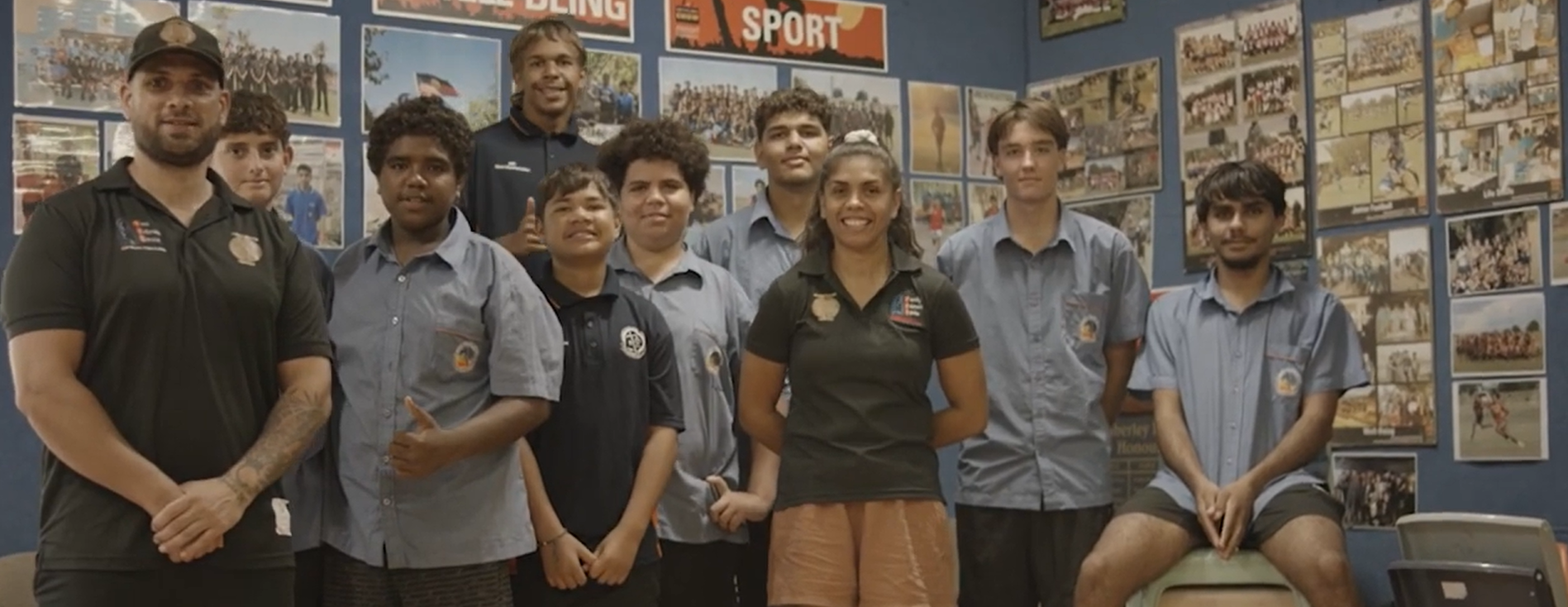
The Dijun Way program in Broome raises awareness of family and domestic violence with young people in schools and provides them with tools to have healthy, equal, and respectful relationships through their 6 modules: dating, relationships, masculinity, sex and consent, emotions and role modelling. This video is a showcase of the program by the Australian Department of Social Services. This video can be a helpful example if you’re interested in having programs like this in your community.
WA Respectful Relationships Teaching Support Program – Starick

Starick delivers the Western Australian Respectful Relationships Teaching Support Program to primary and secondary public schools across Western Australia. The program uses a whole-of-school approach to support staff in delivering appropriate respectful relationships material in the school curriculum and the broader school environment.
This resource is related to Foundations for Change Capabilities 2.1 and 5.1.
Sexism and the English Language – The Economist

This video describes the sexist double standards in how men and women are described in english and the way certain words have been gendered and how that has changed over time.