
Role/User of Resource: Managers / Supervisors
Community, Respect & Equality

Partnering in Prevention – Zonta House Refuge Association
Communicating for Connection – Safe & Equal
Mythbusting Pitfalls and How to Avoid Them – Common Cause

PIP: Building equitable partnerships in primary prevention – Safe & Equal
Rainbow Mob Are My Mob – VACCHO & Rainbow Health Australia
From the Ground Up: Community-led Approaches to Violence Prevention – CEVAW
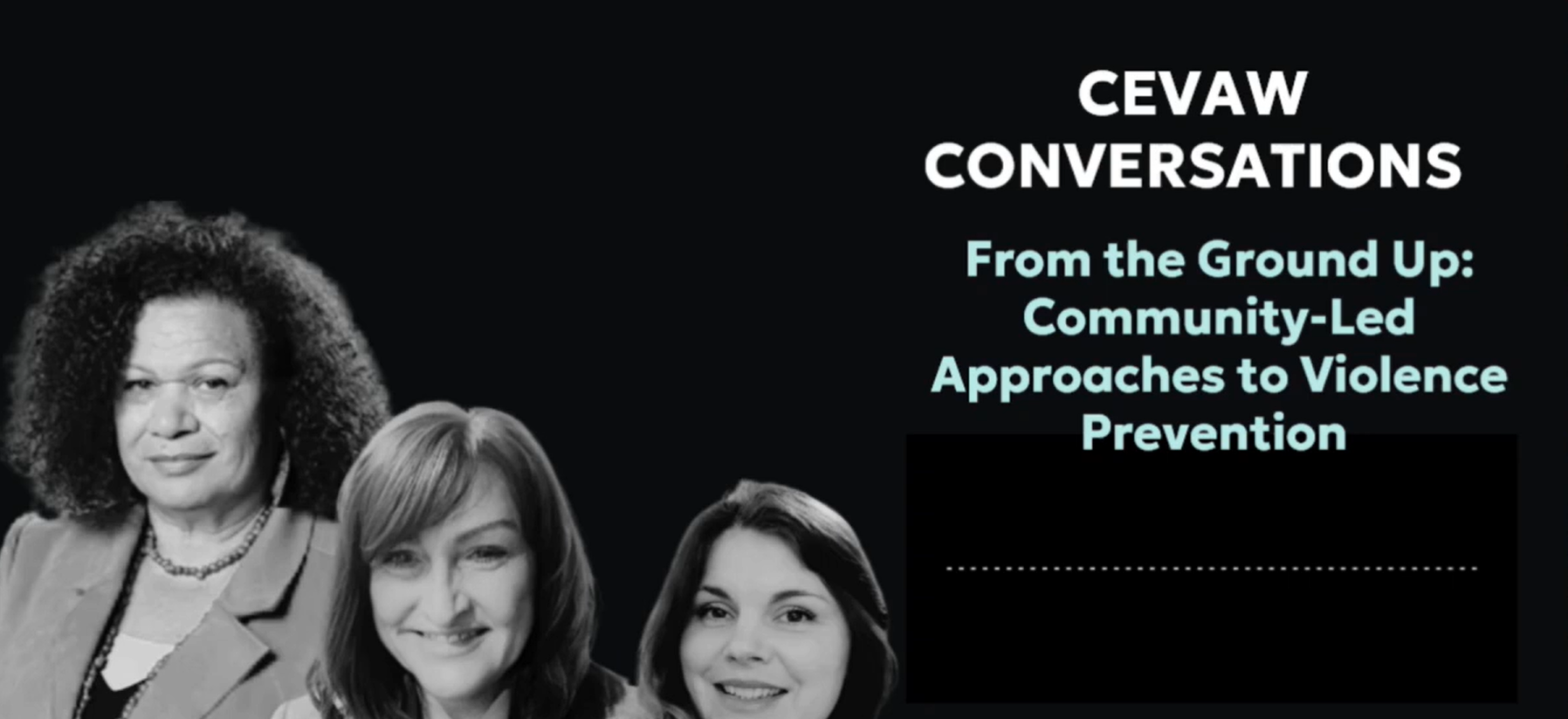
Primary prevention initiatives work best when they are tailored to their local context. In this episode of the Centre for Excellence for the Elimination of Violence Against Women Conversations Podcast, three experts discuss the community-led initiatives they’ve been involved in. These initiatives varied in scale but shared core components. The podcast includes Dixie Link-Gordon, Aunty-in-residence at the Women and Girls Emergency Centre, Dr Zoe Bell, CEVAW Research Fellow at ANU, and Dr Jenny Anderson with Respect Victoria.
4 Tips to improve gender equality at work – Yourtoolkit.com
Trauma and the Brain – NHS Lanarkshire
This animated video was designed to help professionals working with victims of gender-based violence to understand the impacts of trauma on the brain.
This animation illustrates:
- How someone who has experienced rape or sexual assault might react in a police interview
- How a professional might respond to a service user if they do not know the effects of trauma
- How this can affect information and evidence gathering, and attitudes to victims
- How ‘secondary’ trauma can affect workers
- The three main parts of the brain and what each part does
- How the brain responds to danger – the survival instinct
- How instinctive ‘fight’, ‘flight’ and ‘freeze’ responses protect us
- Indicators of trauma
- Trauma-informed techniques for professionals to use, including a demonstration.