
Type of Resource: Document
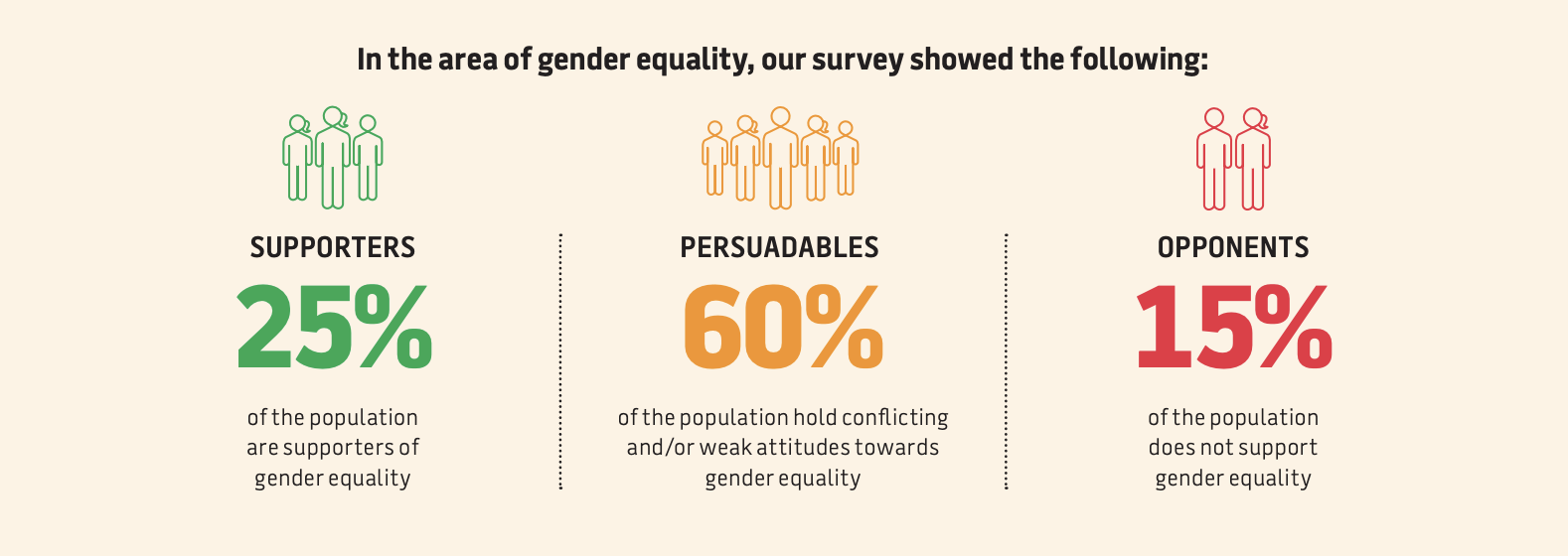
Framing gender equality message guide – VicHealth
Framing masculinity message guide – VicHealth
Working Together with Men 2.0 – RMIT University
Aboriginal Empowerment Strategy – Western Australia 2021-2029
The Australian National Research Agenda 2023-2028 – ANROWS
Counting on change – ANROWS & Our Watch

Respectful Relationships Education Toolkit – Our Watch
The respectful relationships education toolkit was developed to support schools in understanding, planning, implementing and sustaining a whole-of-school approach to preventing gender-based violence by promoting gender equality and respectful relationships.
The toolkit consists of two documents:
- Overview – includes the evidence, background information and components of a whole-of-school approach to preventing gender-based violence in schools.
- Implementation steps – outline the actions to be undertaken at each stage of the implementation cycle.
This resource is related to Foundations for Change Capability 2.1.
Western Australian Mental Wellbeing Guide – Mental Health Commission
The Western Australian Mental Wellbeing Guide has been developed to update and strengthen the mental health promotion component of the Western Australian Mental Health Promotion, Mental Illness, Alcohol and Other Drug Prevention Plan 2018-2025. While best read in conjunction with the Prevention Plan, the Mental Wellbeing Guide can also be used as a standalone document that provides advice regarding evidence-based approaches to enhance mental wellbeing.
This resource is related to Foundations for Change Capability 6.1.
Path to Safety
Path to Safety: Western Australia’s Strategy to Reduce Family and Domestic Violence 2020 – 2030 sets out a clear whole-of-government and community plan for reducing and responding to family and domestic violence over the next decade.
The strategy has four focus areas:
- work with Aboriginal people to strengthen Aboriginal family safety
- act immediately to keep people safe and hold perpetrators to account
- grow primary prevention to stop family and domestic violence
- reform systems to prioritise safety, accountability and collaboration.
The Strategy is supported by action plans that set out what needs to be done to achieve the long-term vision of all Western Australians living free from family and domestic violence.
This resource is related to Foundations for Change Capabilities 1.1 and 7.1.