Component/Capability: 2: Create social change
Allyship in Action – Zoe Belle Gender Collective & Women’s Health in the North
The inclusion of trans and gender diverse people must be central in all of our prevention efforts. This framework provide prevention practitioners the tools and information they need to be more inclusive by understanding what drives violence against trans and gender diverse people, identifying transphobia and transmisogyny, and how we can start embedding trans and gender diverse people in our primary prevention initiatives. Find more resources on the Zoe Belle Gender Collective’s Publications page.
Storytelling or Systems Change – Dusseldorp Forum
Beyond ‘The Talk’ – La Trobe University
Men in focus – Our Watch

Men in focus brings together research and practice knowledge to unpack and look at how to address masculinities and work with men.
The Men in focus webpage includes a practice guide, evidence review, practitioner resources and the national consultation report.
This resource is related to Foundations for Change Capabilities 2.1 and 3.1.
Journey of health and wellbeing – WA Health
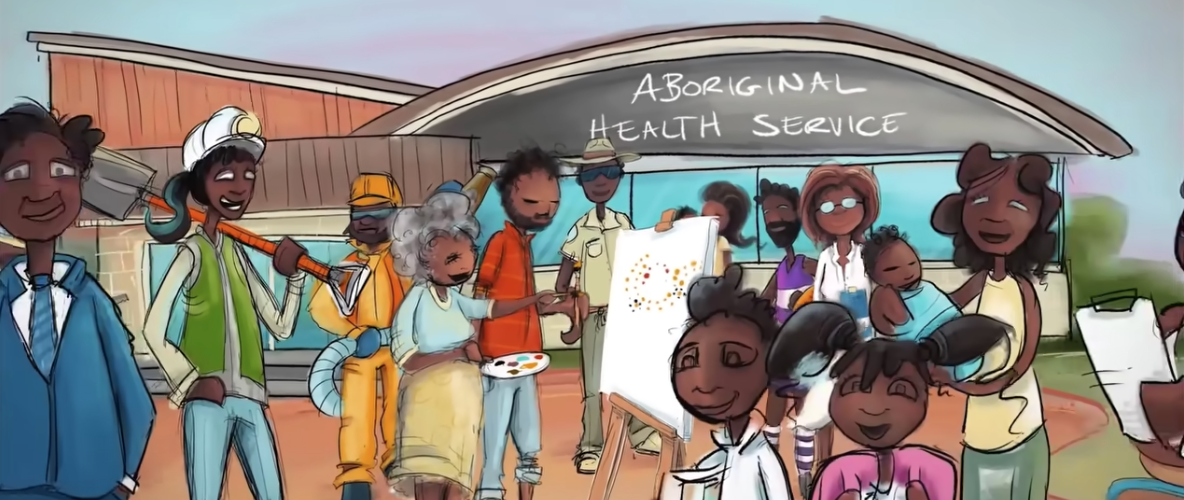
This video was produced by WA Department of Health, Aboriginal Health Policy Directorate, based on an original concept by Tim Muirhead and Danny Ford.
The video is designed to increase the community’s understanding of Aboriginal people’s experiences from colonisation to the present day. It encourages Western Australians to reflect and confront shared histories, and highlights goals of positive change and growth.