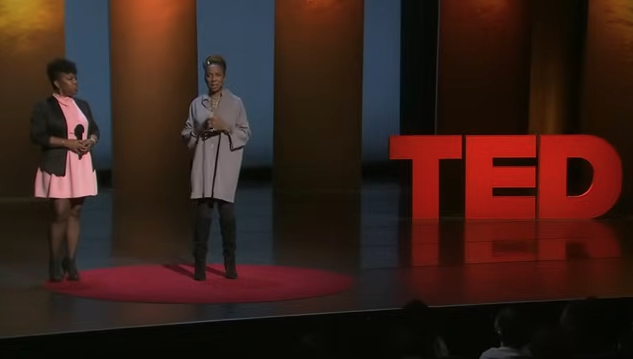
Now more than ever, it’s important to look boldly at the reality of race and gender bias, and understand how the two can combine to create even more harm. Kimberlé Crenshaw uses the term “intersectionality” to describe this phenomenon. As she says, if you’re standing in the path of multiple forms of exclusion, you’re likely to get hit by both. In this moving talk, she calls on us to bear witness to this reality and speak up for victims of prejudice.
Component/Capability: 2: Create social change
Know Your A-Z – Safe and Equal & Our Watch
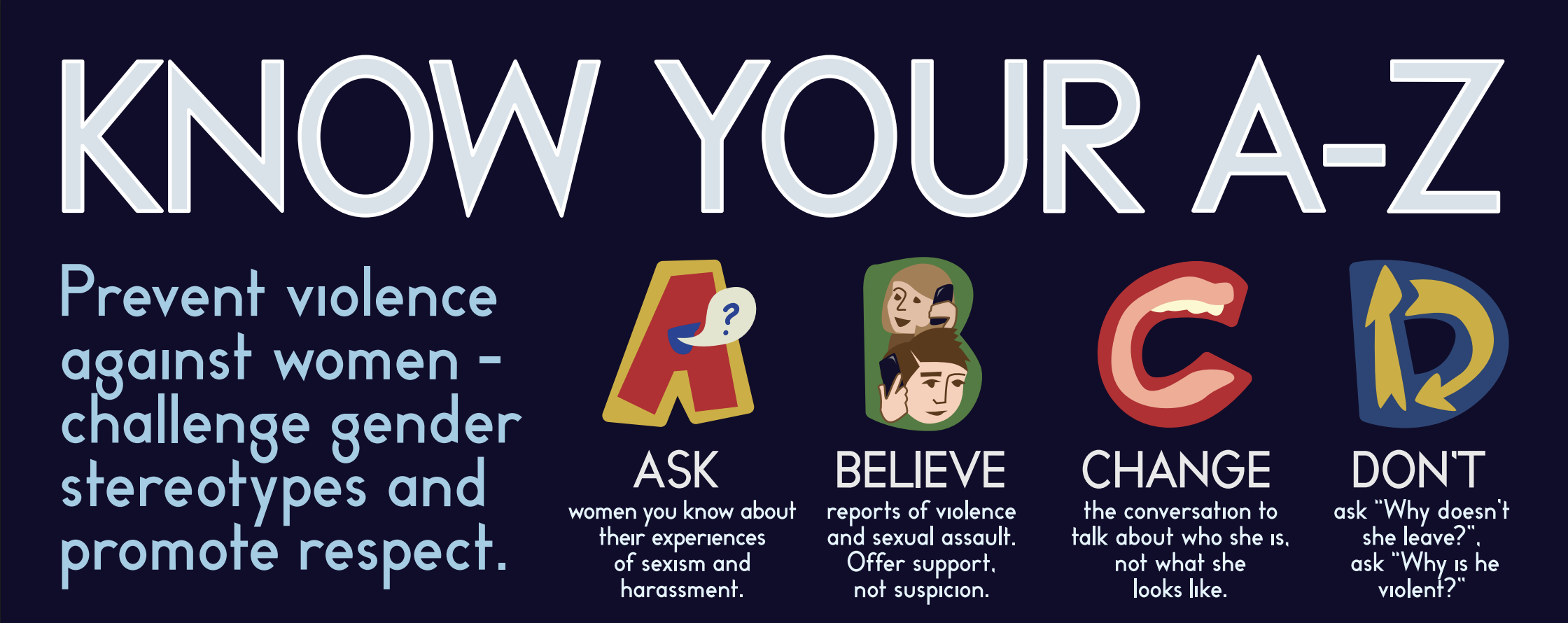
An easy-to-use resource outlining 26 ideas of actions individuals can take to prevent violence against women by challenging harmful gender stereotypes and promoting respect.
This resource is related to Foundations for Change Capabilities 2.1 and 2.5.
What kind of man do you want to be? – Respect Victoria
Working Together with Men 2.0 – RMIT University
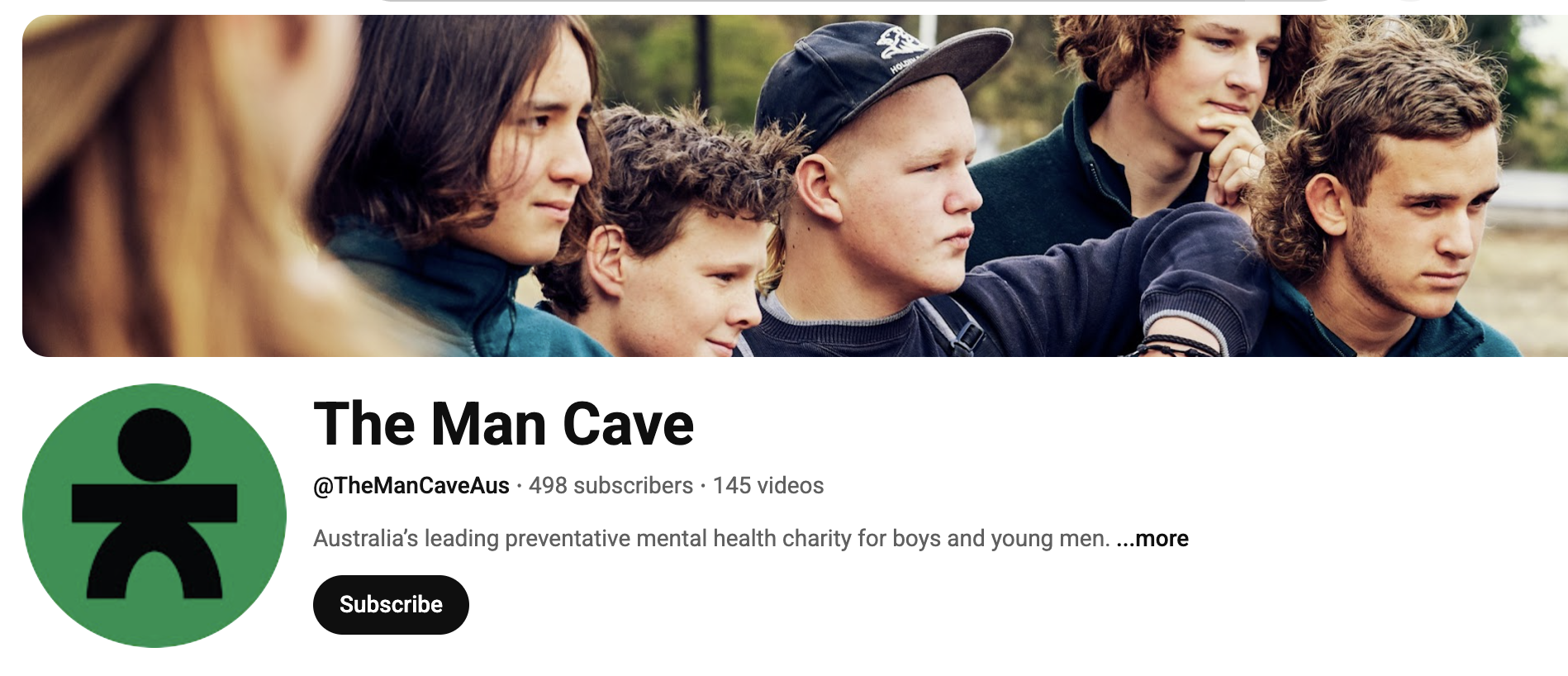
The Man Cave YouTube Channel
Is This Ok?? – The Man Cave
Resource Database – Yourtoolkit.com

Preventing violence against women at home – Yourtoolkit.com
Tips for individuals to recognise healthy relationships at home for themselves or family members and how to challenge unhealthy behaviours and harmful stereotypes and norms.
This resource is related to Foundations for Change Capability 2.1.
Preventing violence against women in the community – Yourtoolkit.com
Tips for communities on addressing restrictive gender norms, challenging violence against women, and fostering gender equality. There are also some tips for responding to violence as a community.
This resource is related to Foundations for Change Capability 2.1.