Component/Capability: 1: Foundational knowledge
Preventing Violence Together – PVT & Yourtoolkit.com
This is a two-sided A4 community resource explaining in simple language:
- What family and domestic violence is
- What primary prevention means, and
- How you can play your part in creating a safer community.
This resource was co-designed by PVT and Yourtoolkit.com.
Change the story – Our Watch
Change the story is an evidence-based framework to guide a coordinated and effective national approach to preventing violence against women.
It goes beyond a focus on individual behaviours to consider the broader social, political, and economic factors that drive violence against women, and the social context of gender inequality in which this violence arises.
Importantly, it outlines the essential actions needed at all levels of society – from individuals to schools, from workplaces to governments – to address these underlying drivers and stop this violence before it starts.
This is a foundational primary prevention resource that relates to many of the capabilities outlined in Foundations for Change.
Changing the picture – Our Watch
Changing the picture contains a set of clear actions that are needed to address the many drivers of violence against Aboriginal and Torres Strait Islander women.
Violence against Aboriginal and Torres Strait Islander women is not an ‘Aboriginal and Torres Strait Islander problem’. Nor should Aboriginal and Torres Strait Islander people bear sole responsibility for addressing it. This violence is an Australian problem, and it is perpetrated by men of all cultural backgrounds. Preventing it is a national responsibility.
This resources is related to Foundations for Change Capabilities 1.1, 1.2, 2.2, 2.3 and 4.3.
Changing the landscape – Our Watch & Women with Disabilities Victoria
Changing the landscape is the national, evidence-based framework to guide the prevention of violence against women and girls with disabilities.
Changing the landscape complements, expands on and extends the evidence contained in Change the story. It names ableism and gender inequality as the two consistent, intersecting drivers of violence against women and girls with disabilities.
It sets out the actions that must be taken to address these drivers and stop this violence before it starts. It points to the many stakeholders that need to take action – from individuals to communities, schools and workplaces, to disability and health services, and governments. It makes clear that we all have a role to play in preventing this violence.
This resource is related to Foundations for Change Capabilities 1.1, 1.2 and 2.3.
Quick facts about violence against women – Our Watch

Key facts and statistics about the nature, prevalence and impacts of violence against women in Australia.
This resource is related to Foundations for Change Capability 1.1.
The link between gender inequality and violence against women – Our Watch
The urgency of intersectionality – Kimberlé Crenshaw TED Talk
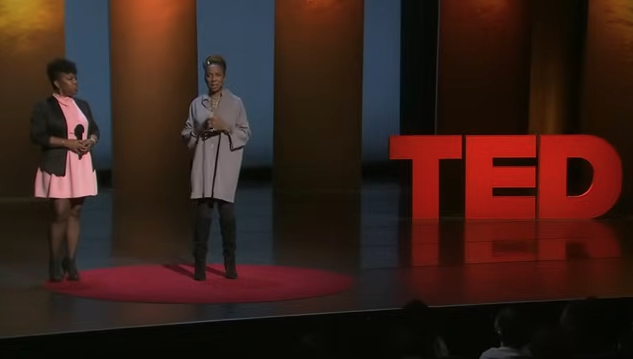
Now more than ever, it’s important to look boldly at the reality of race and gender bias, and understand how the two can combine to create even more harm. Kimberlé Crenshaw uses the term “intersectionality” to describe this phenomenon. As she says, if you’re standing in the path of multiple forms of exclusion, you’re likely to get hit by both. In this moving talk, she calls on us to bear witness to this reality and speak up for victims of prejudice.
Violence against women: it’s a men’s issue – Jackson Katz TED Talk
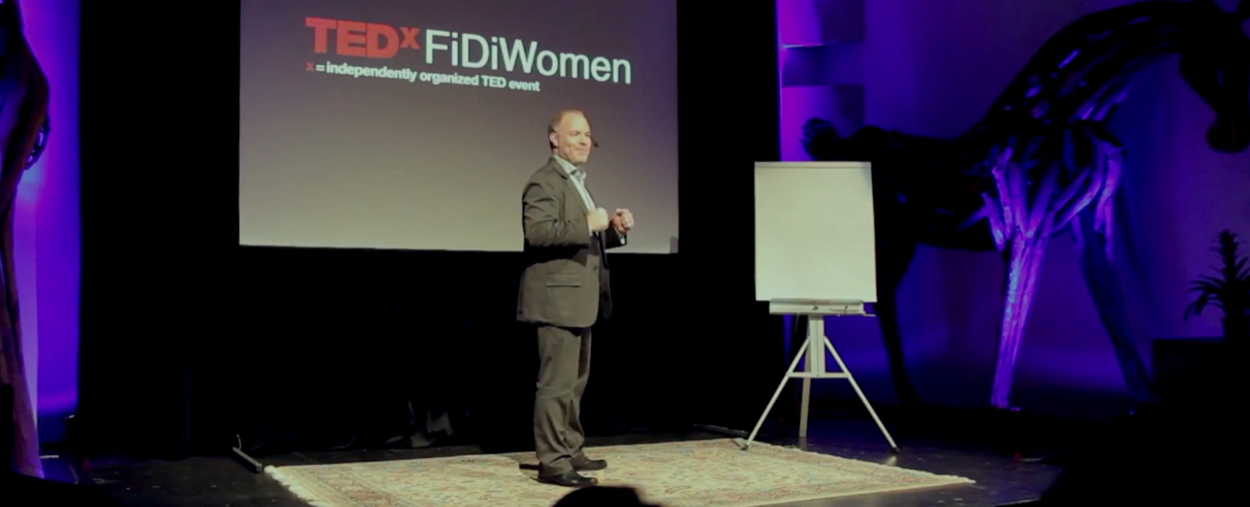
Domestic violence and sexual abuse are often called “women’s issues.” But in this bold, blunt talk, Jackson Katz points out that these are intrinsically men’s issues, and shows how these violent behaviours are tied to definitions of manhood. A clarion call for us all – women and men – to call out unacceptable behaviour and be leaders of change.