
Role/User of Resource: Facilitators / Implementers

Resistance and backlash in primary prevention – Our Watch
The urgency of intersectionality – Kimberlé Crenshaw TED Talk
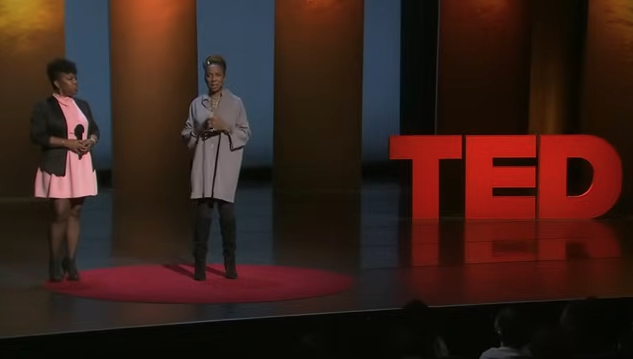
Now more than ever, it’s important to look boldly at the reality of race and gender bias, and understand how the two can combine to create even more harm. Kimberlé Crenshaw uses the term “intersectionality” to describe this phenomenon. As she says, if you’re standing in the path of multiple forms of exclusion, you’re likely to get hit by both. In this moving talk, she calls on us to bear witness to this reality and speak up for victims of prejudice.
Violence against women: it’s a men’s issue – Jackson Katz TED Talk
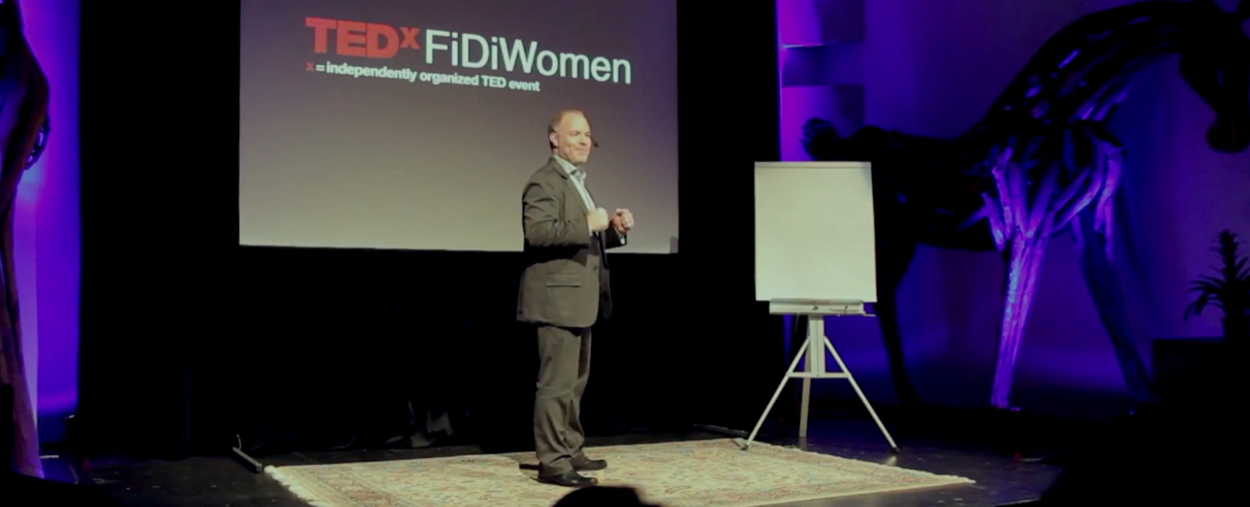
Domestic violence and sexual abuse are often called “women’s issues.” But in this bold, blunt talk, Jackson Katz points out that these are intrinsically men’s issues, and shows how these violent behaviours are tied to definitions of manhood. A clarion call for us all – women and men – to call out unacceptable behaviour and be leaders of change.
Know Your A-Z – Safe and Equal & Our Watch
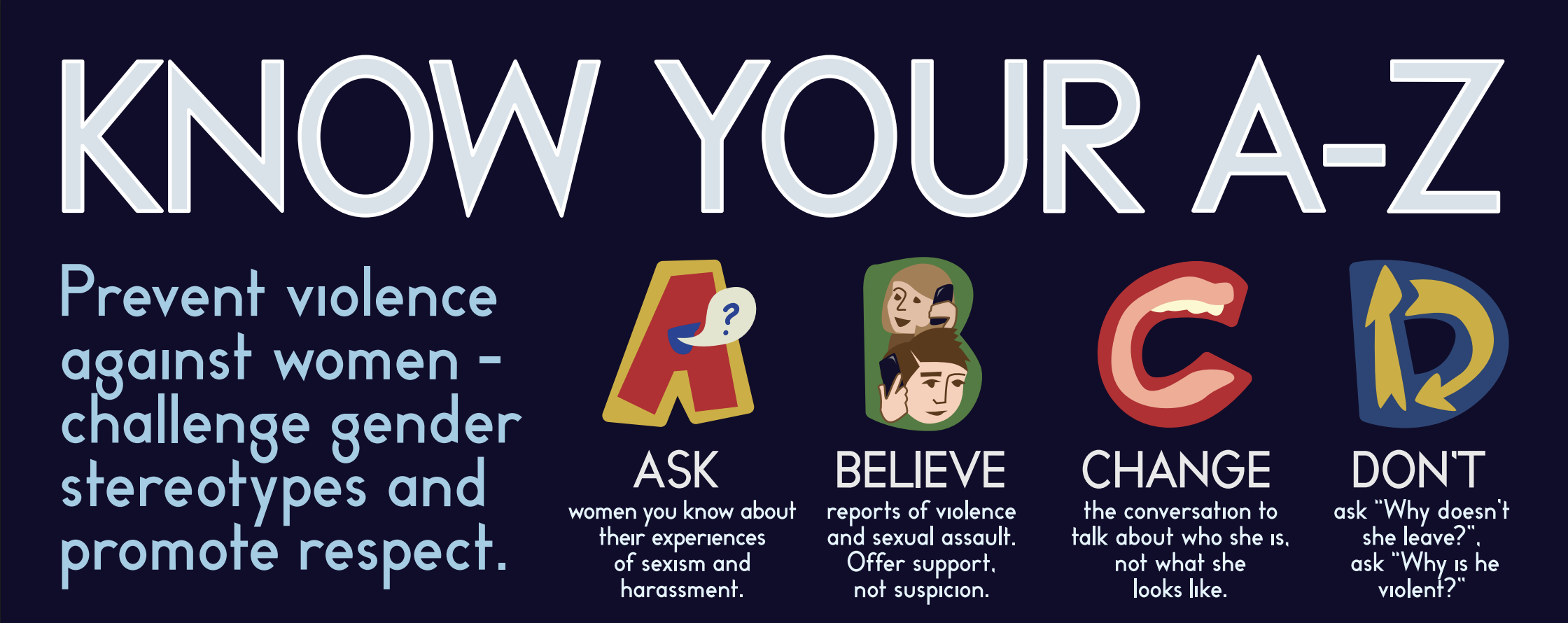
An easy-to-use resource outlining 26 ideas of actions individuals can take to prevent violence against women by challenging harmful gender stereotypes and promoting respect.
This resource is related to Foundations for Change Capabilities 2.1 and 2.5.
A Self-Care Action Plan – How to Adult

Self-care can seem like a daunting task when you’ve already got a lot on your plate. This 5 minute video invites you to take a little time to reflect on what works best for you, and make an action plan.
How to Adult is a life skills edutainment channel brought to you by Executive Producers Hank Green and John Green.
The Man Cave YouTube Channel

Is This Ok?? – The Man Cave
Trauma and the Brain – NHS Lanarkshire
This animated video was designed to help professionals working with victims of gender-based violence to understand the impacts of trauma on the brain.
This animation illustrates:
- How someone who has experienced rape or sexual assault might react in a police interview
- How a professional might respond to a service user if they do not know the effects of trauma
- How this can affect information and evidence gathering, and attitudes to victims
- How ‘secondary’ trauma can affect workers
- The three main parts of the brain and what each part does
- How the brain responds to danger – the survival instinct
- How instinctive ‘fight’, ‘flight’ and ‘freeze’ responses protect us
- Indicators of trauma
- Trauma-informed techniques for professionals to use, including a demonstration.
Understanding Trauma – Phoenix Australia

Traumatic events are common, and most people will experience at least one during their lives. Trauma comes in many forms and affects thousands of Australians every day. Most people recover with the help of family and friends, but there are effective treatments for those needing extra support.
Watch this brief video to understand more about trauma and how it affects people.