Role/User of Resource: Facilitators / Implementers
The barbershop where men go to heal – Matt Brown TED Talk

It’s important for men to have safe spaces that they can be vulnerable with each other. This enables them to breakdown rigid gender stereotypes like “men have to be stoic and not show emotion” and create supportive and positive friendships. Matt Brown talks about how he helped to create these spaces for men in his community to “take off their masks”, and the importance of men taking responsibility for doing it themselves and not expecting women to do it for them.
Communicating for Connection – Safe & Equal
Mythbusting Pitfalls and How to Avoid Them – Common Cause
Journey of health and wellbeing – WA Health
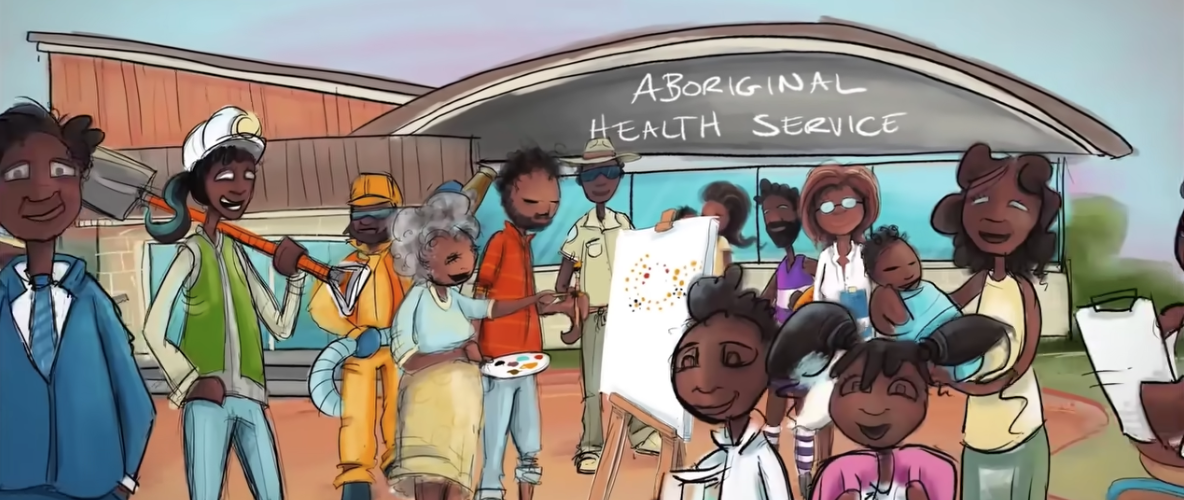
This video was produced by WA Department of Health, Aboriginal Health Policy Directorate, based on an original concept by Tim Muirhead and Danny Ford.
The video is designed to increase the community’s understanding of Aboriginal people’s experiences from colonisation to the present day. It encourages Western Australians to reflect and confront shared histories, and highlights goals of positive change and growth.
Quick facts about violence against women – Our Watch

Key facts and statistics about the nature, prevalence and impacts of violence against women in Australia.
This resource is related to Foundations for Change Capability 1.1.
The link between gender inequality and violence against women – Our Watch
Resistance and backlash in primary prevention – Our Watch
The urgency of intersectionality – Kimberlé Crenshaw TED Talk
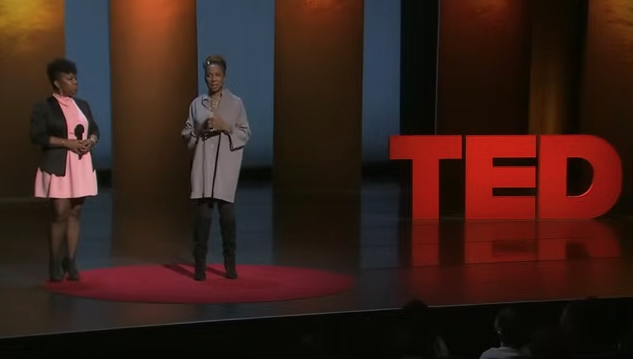
Now more than ever, it’s important to look boldly at the reality of race and gender bias, and understand how the two can combine to create even more harm. Kimberlé Crenshaw uses the term “intersectionality” to describe this phenomenon. As she says, if you’re standing in the path of multiple forms of exclusion, you’re likely to get hit by both. In this moving talk, she calls on us to bear witness to this reality and speak up for victims of prejudice.
Violence against women: it’s a men’s issue – Jackson Katz TED Talk
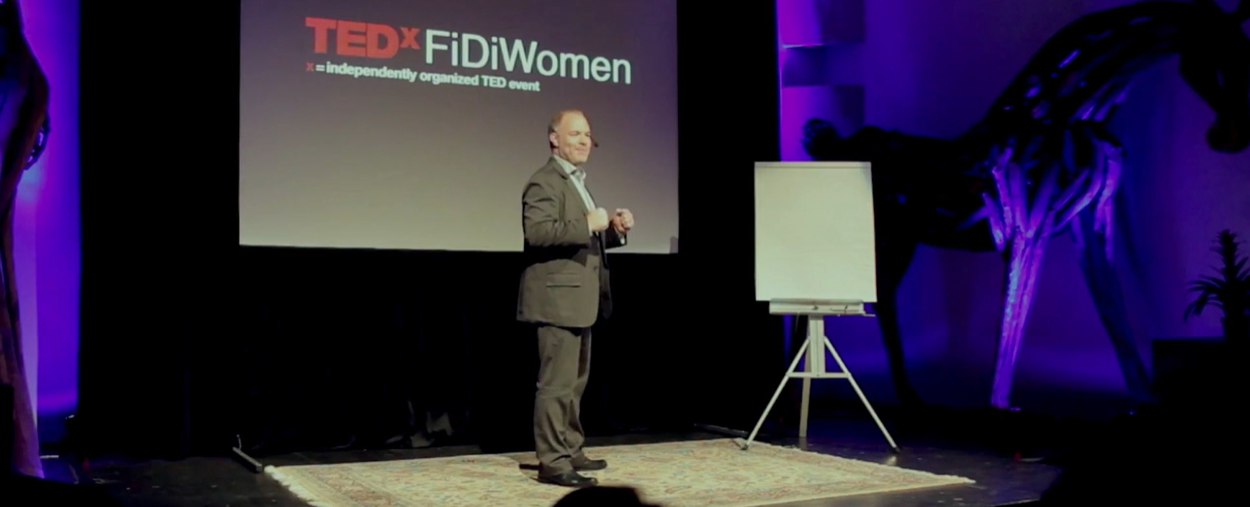
Domestic violence and sexual abuse are often called “women’s issues.” But in this bold, blunt talk, Jackson Katz points out that these are intrinsically men’s issues, and shows how these violent behaviours are tied to definitions of manhood. A clarion call for us all – women and men – to call out unacceptable behaviour and be leaders of change.