Changing the landscape is the national, evidence-based framework to guide the prevention of violence against women and girls with disabilities.
Changing the landscape complements, expands on and extends the evidence contained in Change the story. It names ableism and gender inequality as the two consistent, intersecting drivers of violence against women and girls with disabilities.
It sets out the actions that must be taken to address these drivers and stop this violence before it starts. It points to the many stakeholders that need to take action – from individuals to communities, schools and workplaces, to disability and health services, and governments. It makes clear that we all have a role to play in preventing this violence.
This resource is related to Foundations for Change Capabilities 1.1, 1.2 and 2.3.
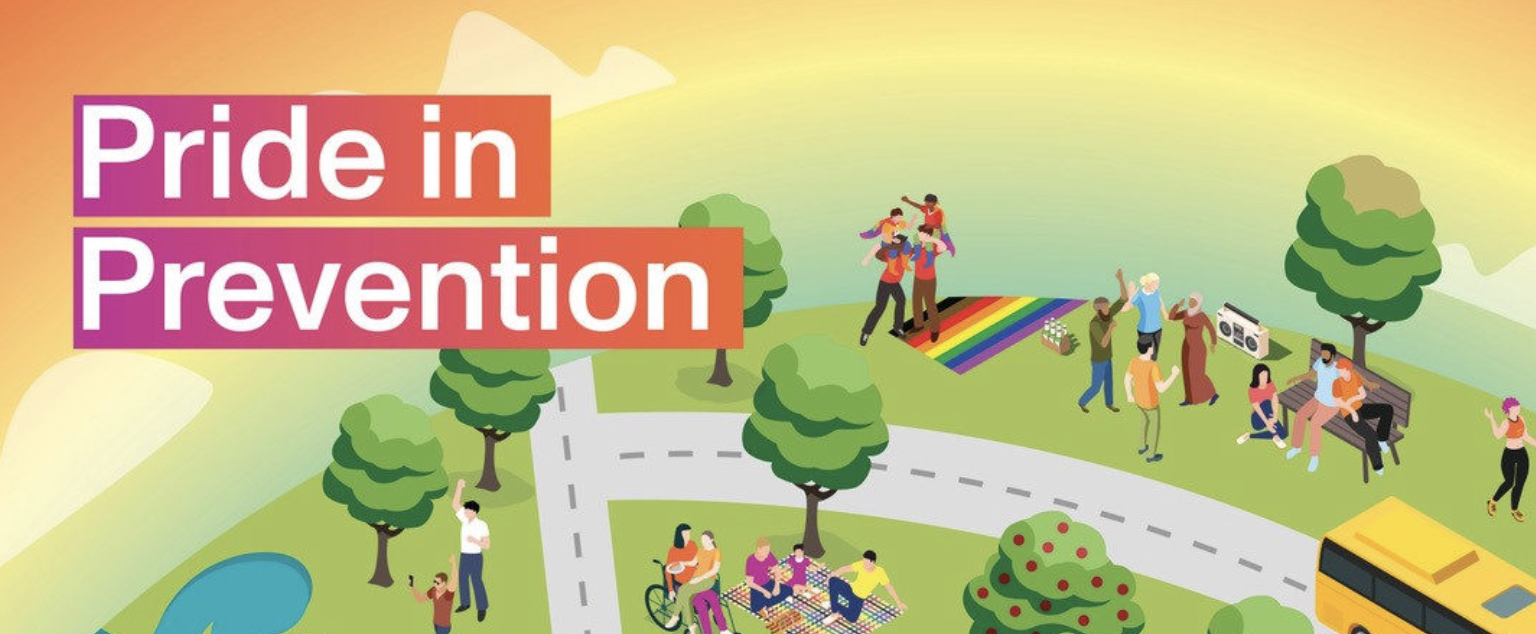
The inclusion of trans and gender diverse people must be central in all of our prevention efforts. This framework provide prevention practitioners the tools and information they need to be more inclusive by understanding what drives violence against trans and gender diverse people, identifying transphobia and transmisogyny, and how we can start embedding trans and gender diverse people in our primary prevention initiatives. Find more resources on the Zoe Belle Gender Collective’s Publications page.
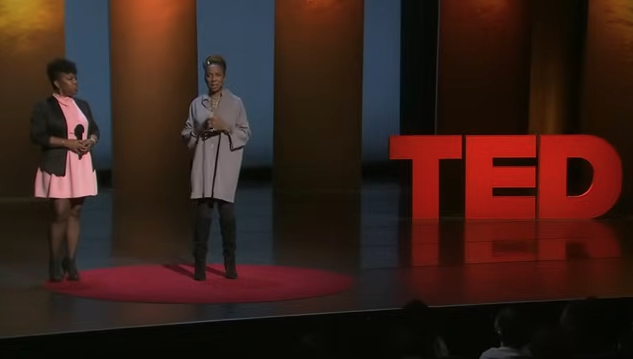
Now more than ever, it’s important to look boldly at the reality of race and gender bias, and understand how the two can combine to create even more harm. Kimberlé Crenshaw uses the term “intersectionality” to describe this phenomenon. As she says, if you’re standing in the path of multiple forms of exclusion, you’re likely to get hit by both. In this moving talk, she calls on us to bear witness to this reality and speak up for victims of prejudice.
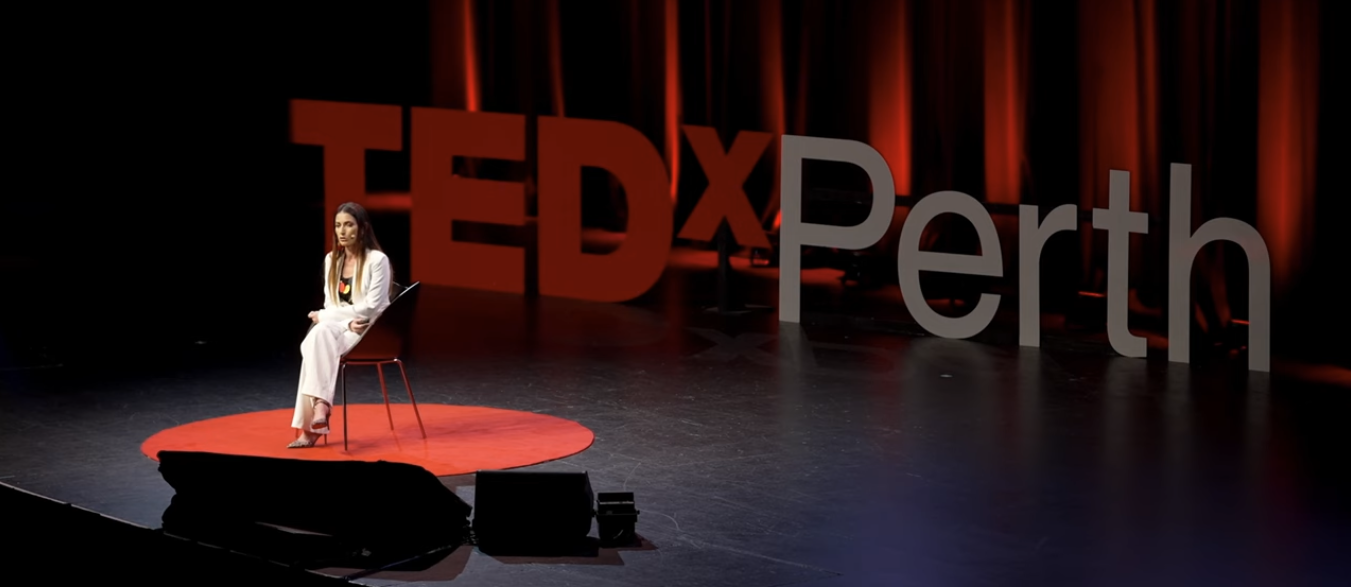
How can we be better allies, friends, and colleagues of our our indigenous brothers and sisters? Jahna Cedar has spent a lifetime navigating two worlds with differing practices and responsibilities – code switching. She believes that for reconciliation to progress, code switching needs to be better understood and more widely recognised. Jahna, a proud Nyiyaparli/Yindjibarndi woman from the Pilbara region, has spent over 20 years advocating for equal rights for Indigenous people in Australia.