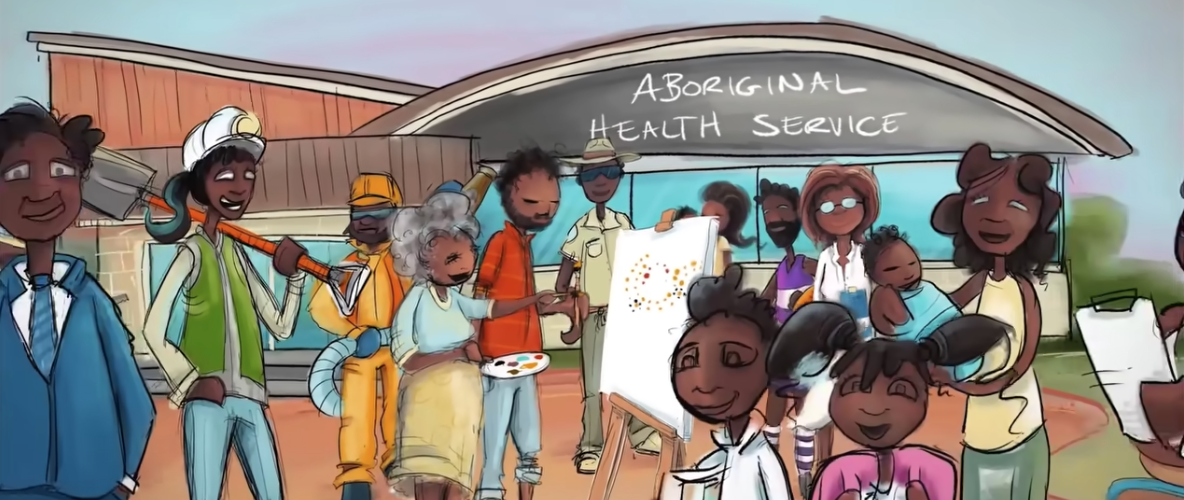
This video was produced by WA Department of Health, Aboriginal Health Policy Directorate, based on an original concept by Tim Muirhead and Danny Ford.
The video is designed to increase the community’s understanding of Aboriginal people’s experiences from colonisation to the present day. It encourages Western Australians to reflect and confront shared histories, and highlights goals of positive change and growth.
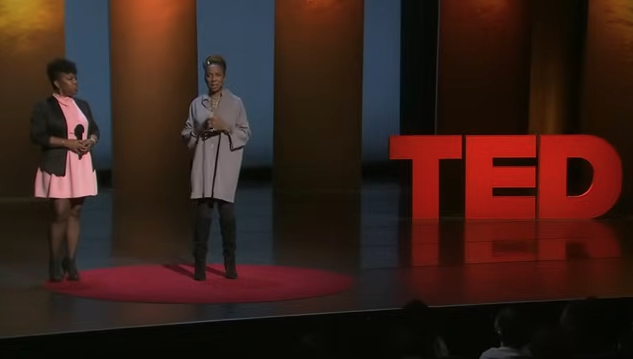
Now more than ever, it’s important to look boldly at the reality of race and gender bias, and understand how the two can combine to create even more harm. Kimberlé Crenshaw uses the term “intersectionality” to describe this phenomenon. As she says, if you’re standing in the path of multiple forms of exclusion, you’re likely to get hit by both. In this moving talk, she calls on us to bear witness to this reality and speak up for victims of prejudice.
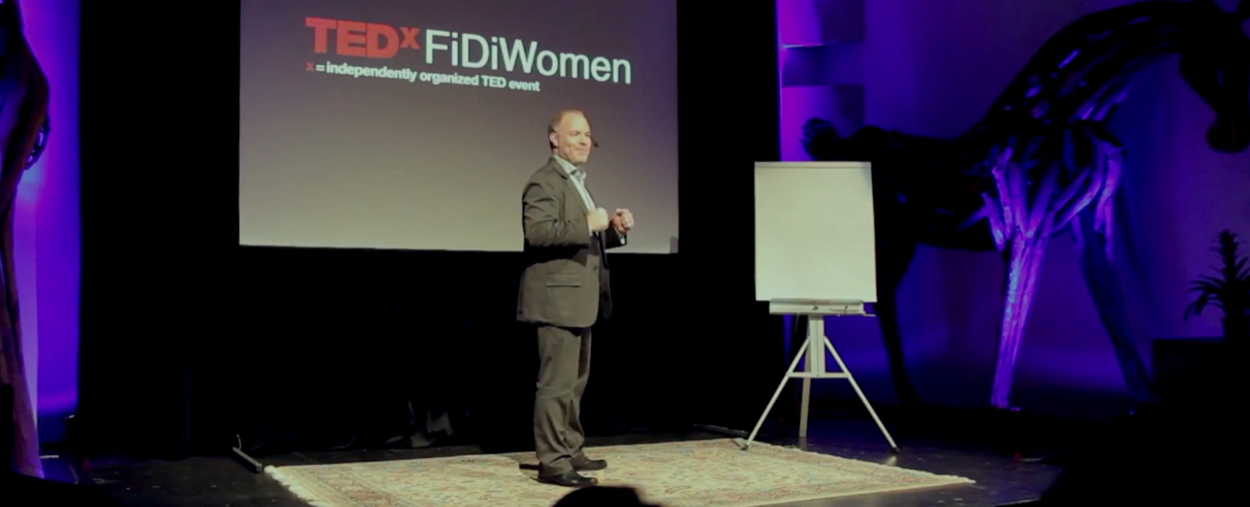
Domestic violence and sexual abuse are often called “women’s issues.” But in this bold, blunt talk, Jackson Katz points out that these are intrinsically men’s issues, and shows how these violent behaviours are tied to definitions of manhood. A clarion call for us all – women and men – to call out unacceptable behaviour and be leaders of change.
Self-care can seem like a daunting task when you’ve already got a lot on your plate. This 5 minute video invites you to take a little time to reflect on what works best for you, and make an action plan.
How to Adult is a life skills edutainment channel brought to you by Executive Producers Hank Green and John Green.
Traumatic events are common, and most people will experience at least one during their lives. Trauma comes in many forms and affects thousands of Australians every day. Most people recover with the help of family and friends, but there are effective treatments for those needing extra support.
Watch this brief video to understand more about trauma and how it affects people.
Dr Miriam-Rose Ungunmerr describes Dadirri as the practice of Deep Inner Listening and quiet still awareness, which connects us and nurtures spiritual well-being.
This short video provides space to listen deeply, sit in stillness, and reconnect with ourselves, others, and the environment.
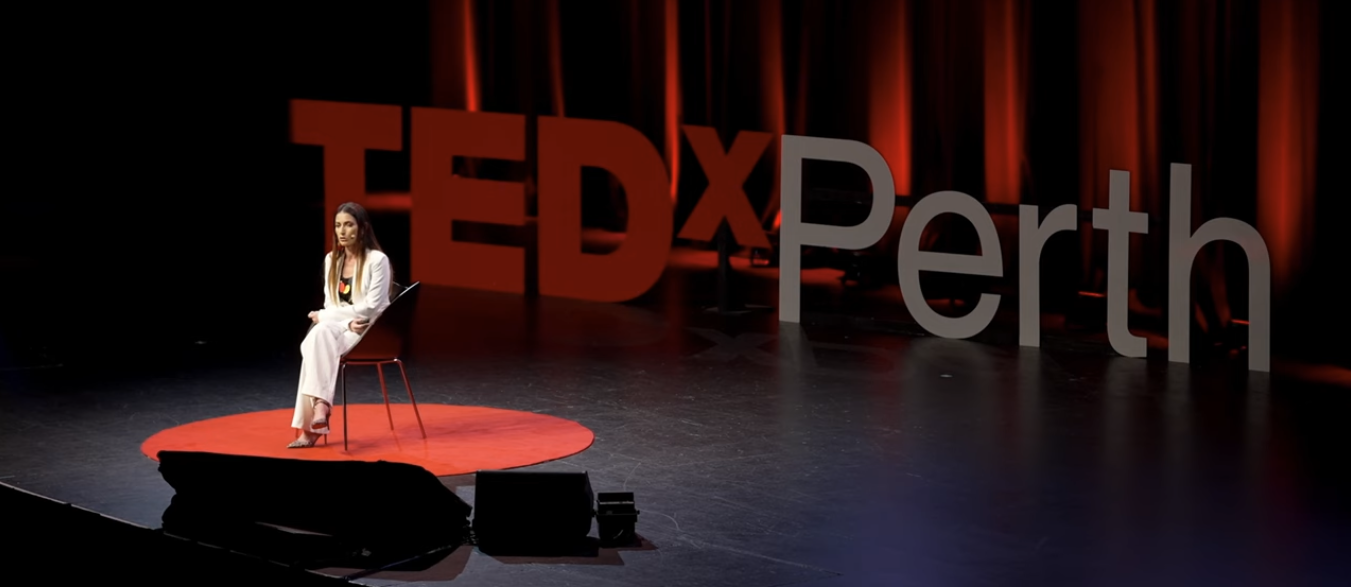
How can we be better allies, friends, and colleagues of our our indigenous brothers and sisters? Jahna Cedar has spent a lifetime navigating two worlds with differing practices and responsibilities – code switching. She believes that for reconciliation to progress, code switching needs to be better understood and more widely recognised. Jahna, a proud Nyiyaparli/Yindjibarndi woman from the Pilbara region, has spent over 20 years advocating for equal rights for Indigenous people in Australia.
This webinar is the second in the webinar series: Implementing the Australian National Research Agenda 2023–2028. The series is aimed at supporting the implementation of the Australian National Research Agenda (ANRA), a national framework produced by ANROWS that identifies what evidence is needed to end domestic, family and sexual violence (DFSV) and how that evidence should be produced.
In this webinar on Indigenous methodologies, one of the research priorities set out in the agenda, Fiona Cornforth, Professor Juanita Sherwood and Dr Nicole Tujague discuss: