Self-care can seem like a daunting task when you’ve already got a lot on your plate. This 5 minute video invites you to take a little time to reflect on what works best for you, and make an action plan.
How to Adult is a life skills edutainment channel brought to you by Executive Producers Hank Green and John Green.
Traumatic events are common, and most people will experience at least one during their lives. Trauma comes in many forms and affects thousands of Australians every day. Most people recover with the help of family and friends, but there are effective treatments for those needing extra support.
Watch this brief video to understand more about trauma and how it affects people.
Dr Miriam-Rose Ungunmerr describes Dadirri as the practice of Deep Inner Listening and quiet still awareness, which connects us and nurtures spiritual well-being.
This short video provides space to listen deeply, sit in stillness, and reconnect with ourselves, others, and the environment.
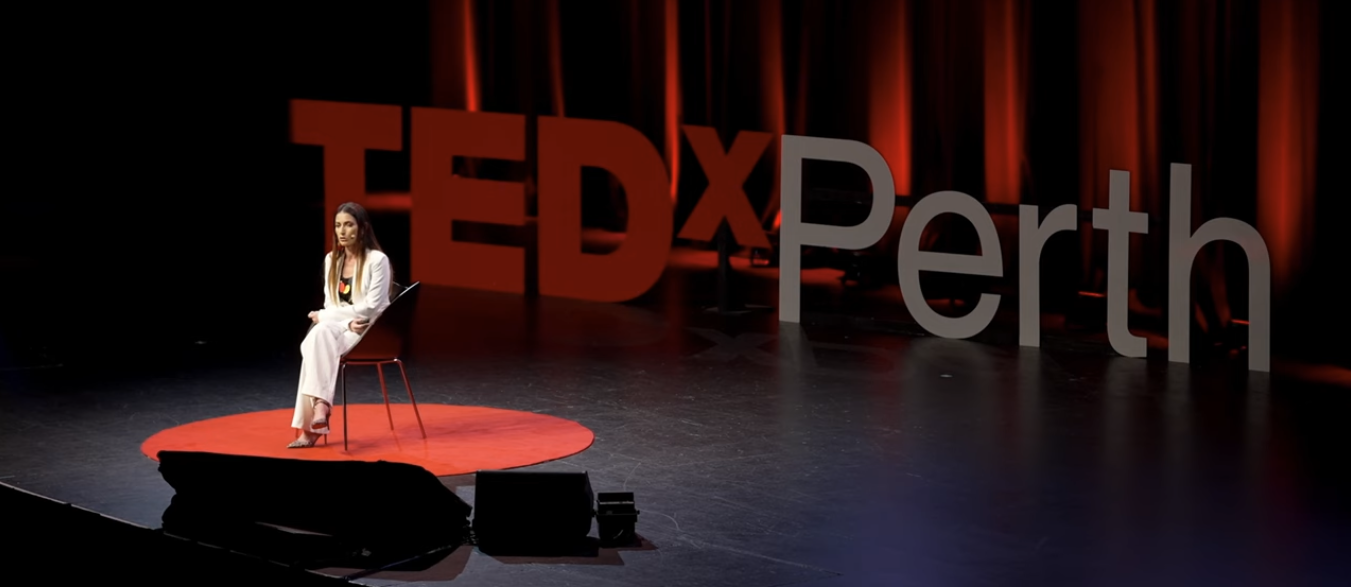
How can we be better allies, friends, and colleagues of our our indigenous brothers and sisters? Jahna Cedar has spent a lifetime navigating two worlds with differing practices and responsibilities – code switching. She believes that for reconciliation to progress, code switching needs to be better understood and more widely recognised. Jahna, a proud Nyiyaparli/Yindjibarndi woman from the Pilbara region, has spent over 20 years advocating for equal rights for Indigenous people in Australia.
This webinar is the second in the webinar series: Implementing the Australian National Research Agenda 2023–2028. The series is aimed at supporting the implementation of the Australian National Research Agenda (ANRA), a national framework produced by ANROWS that identifies what evidence is needed to end domestic, family and sexual violence (DFSV) and how that evidence should be produced.
In this webinar on Indigenous methodologies, one of the research priorities set out in the agenda, Fiona Cornforth, Professor Juanita Sherwood and Dr Nicole Tujague discuss:
Violence against women and girls is the most pervasive human rights violation and public health concern, with nearly 1 in 3 women globally, subjected to violence in their lifetime. Data and research on violence against women are critical to better understand the phenomenon, and how to effectively address it.
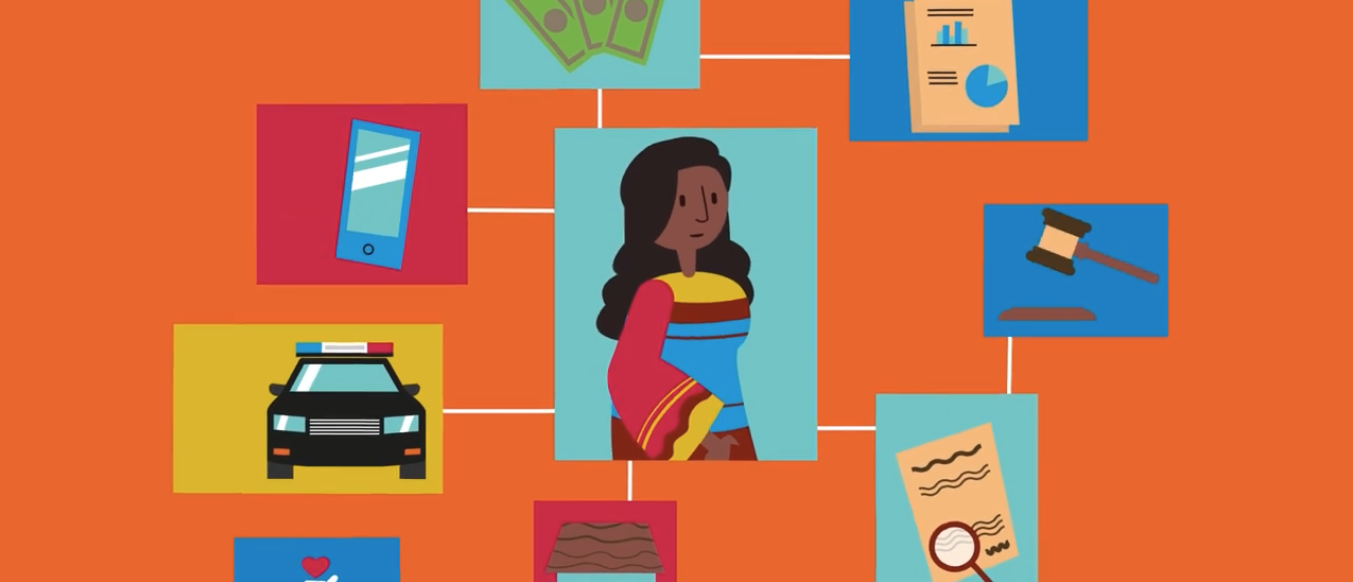
Administrative data on violence against women is collected when survivors and perpetrators of violence interact with hotlines, police and courts, health systems, shelters, and other services. The collection and use of high-quality administrative data is crucial to inform the policies and programmes developed by governments to prevent and respond to violence against women.
UN Women developed a global methodological guidance and works at regional and country level closely with partners to strengthen administrative data systems and enhance the collection and use of administrative data to better prevent and respond to violence against women.
Change the story is Our Watch’s evidence-based framework to guide a coordinated and effective national approach to preventing violence against women.
As outlined in this video, the second edition provides an updated, expanded, evidence-based framework for Australia to continue and strengthen this shared national approach.
This video provides a brief introduction to reflective practice, which is an important part of the continuing professional development cycle. Reflective practice can help us learn and implement lessons from past projects, improve the quality of our work and build team morale.
Reflecting by thinking alone isn’t enough, as you may only reaffirm your existing thought process.