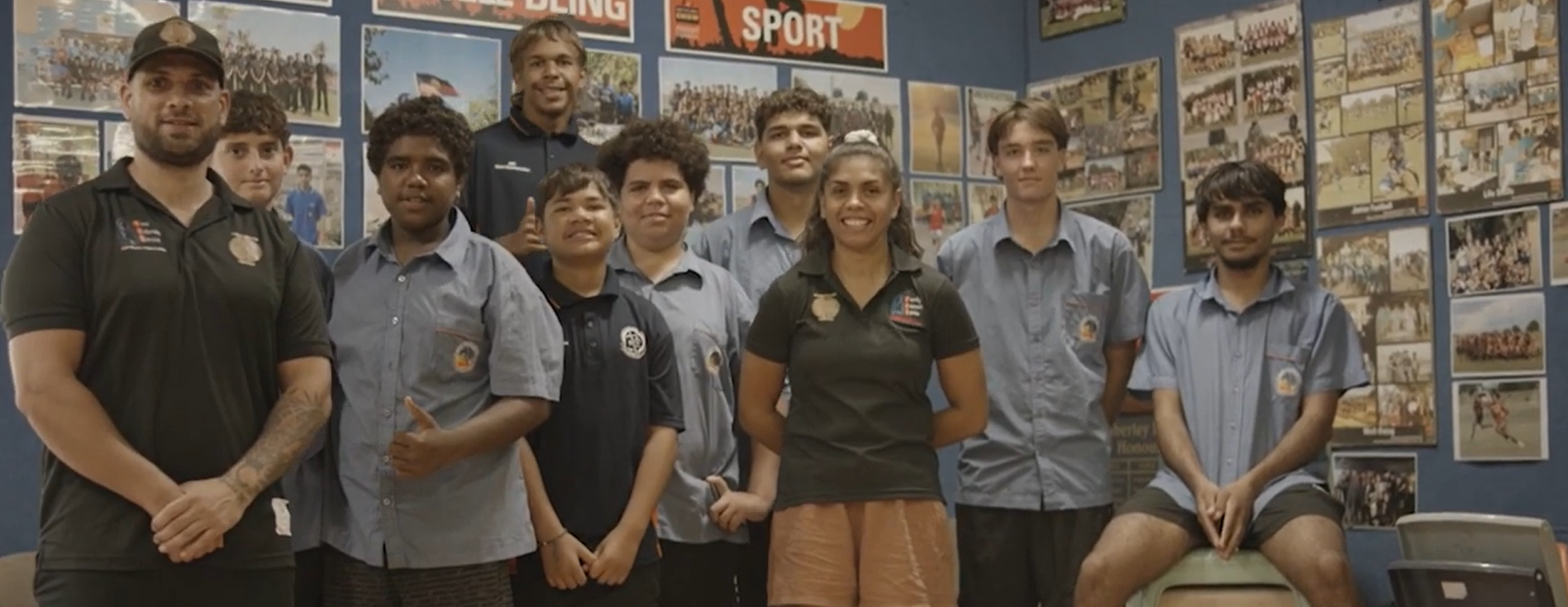
The Dijun Way program in Broome raises awareness of family and domestic violence with young people in schools and provides them with tools to have healthy, equal, and respectful relationships through their 6 modules: dating, relationships, masculinity, sex and consent, emotions and role modelling. This video is a showcase of the program by the Australian Department of Social Services. This video can be a helpful example if you’re interested in having programs like this in your community.
Type of Resource: Video
The barbershop where men go to heal – Matt Brown TED Talk

It’s important for men to have safe spaces that they can be vulnerable with each other. This enables them to breakdown rigid gender stereotypes like “men have to be stoic and not show emotion” and create supportive and positive friendships. Matt Brown talks about how he helped to create these spaces for men in his community to “take off their masks”, and the importance of men taking responsibility for doing it themselves and not expecting women to do it for them.
Sending nudes and sexting – eSafety Commissioner
From the Ground Up: Community-led Approaches to Violence Prevention – CEVAW
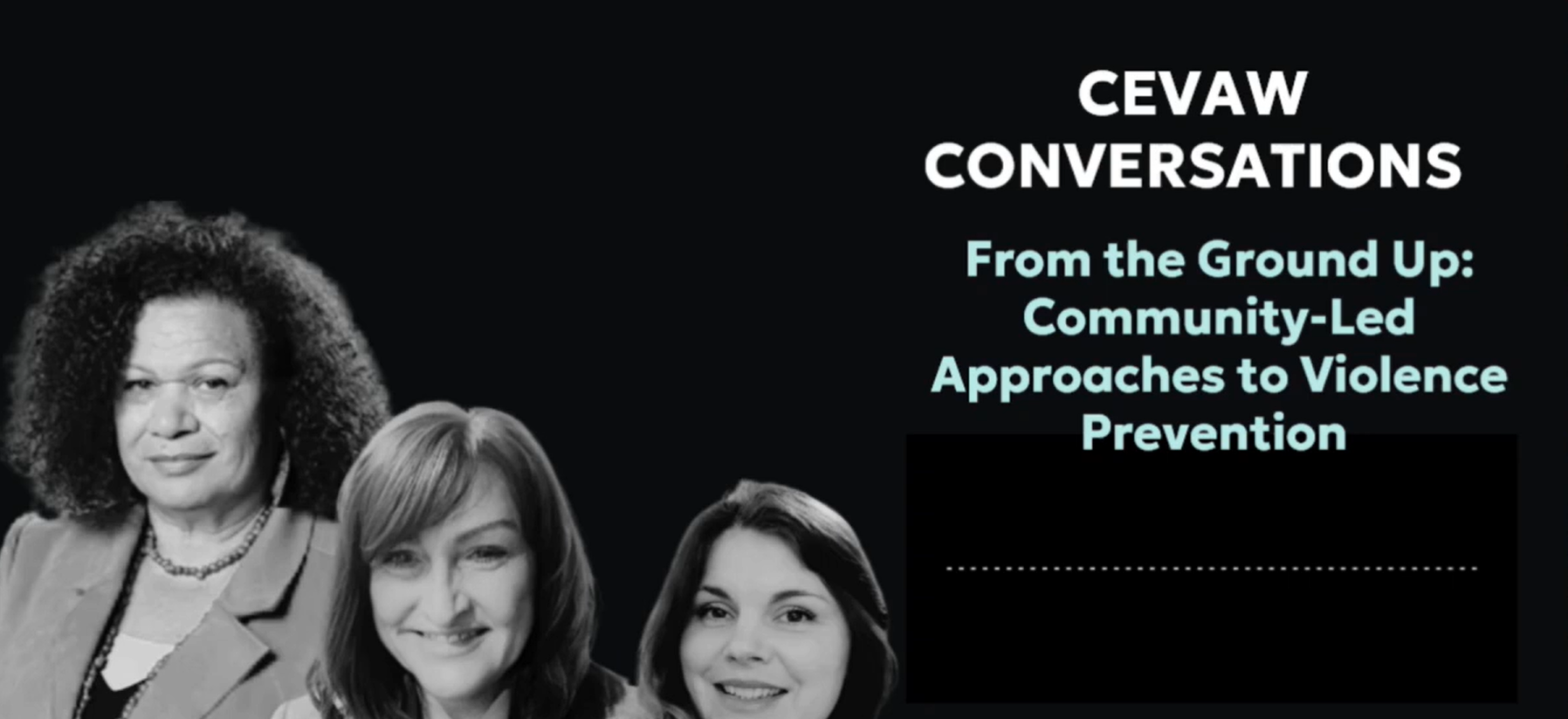
Primary prevention initiatives work best when they are tailored to their local context. In this episode of the Centre for Excellence for the Elimination of Violence Against Women Conversations Podcast, three experts discuss the community-led initiatives they’ve been involved in. These initiatives varied in scale but shared core components. The podcast includes Dixie Link-Gordon, Aunty-in-residence at the Women and Girls Emergency Centre, Dr Zoe Bell, CEVAW Research Fellow at ANU, and Dr Jenny Anderson with Respect Victoria.
Driving Change – Safe & Equal
Sexism and the English Language – The Economist
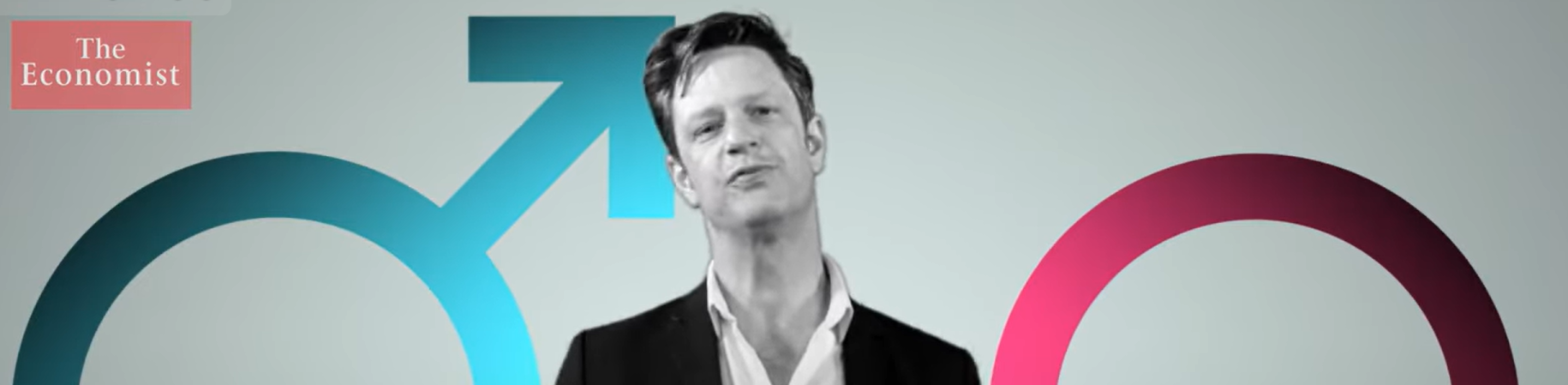
This video describes the sexist double standards in how men and women are described in english and the way certain words have been gendered and how that has changed over time.
How to Use Language to Change Gender Stereotypes – Urska Jez
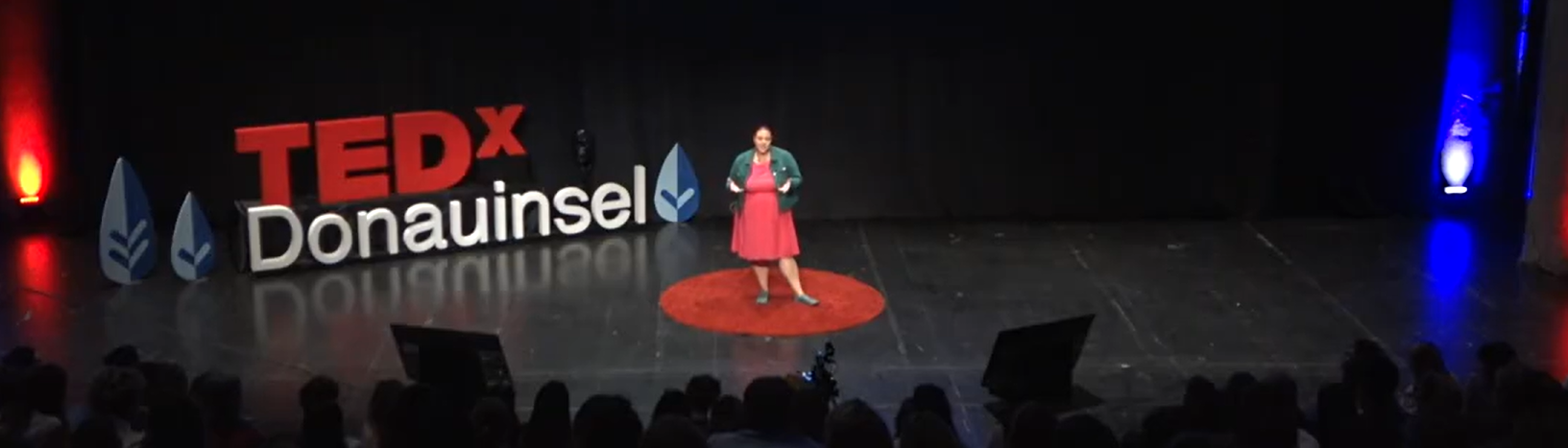
Being aware of how stereotypes are embedded in our language is important. Small things can make the difference between people feeling included or not. This video explains how with some simple changes and practice we can take action to shift gender stereotypes.
Journey of health and wellbeing – WA Health
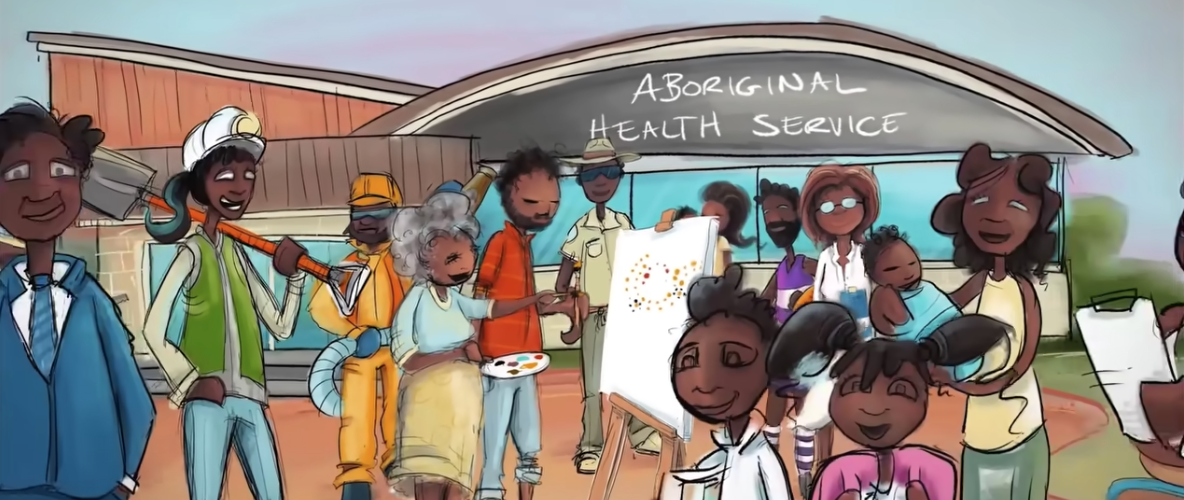
This video was produced by WA Department of Health, Aboriginal Health Policy Directorate, based on an original concept by Tim Muirhead and Danny Ford.
The video is designed to increase the community’s understanding of Aboriginal people’s experiences from colonisation to the present day. It encourages Western Australians to reflect and confront shared histories, and highlights goals of positive change and growth.
The urgency of intersectionality – Kimberlé Crenshaw TED Talk
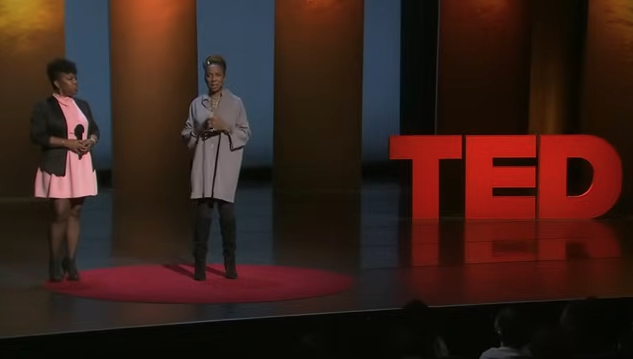
Now more than ever, it’s important to look boldly at the reality of race and gender bias, and understand how the two can combine to create even more harm. Kimberlé Crenshaw uses the term “intersectionality” to describe this phenomenon. As she says, if you’re standing in the path of multiple forms of exclusion, you’re likely to get hit by both. In this moving talk, she calls on us to bear witness to this reality and speak up for victims of prejudice.
Violence against women: it’s a men’s issue – Jackson Katz TED Talk
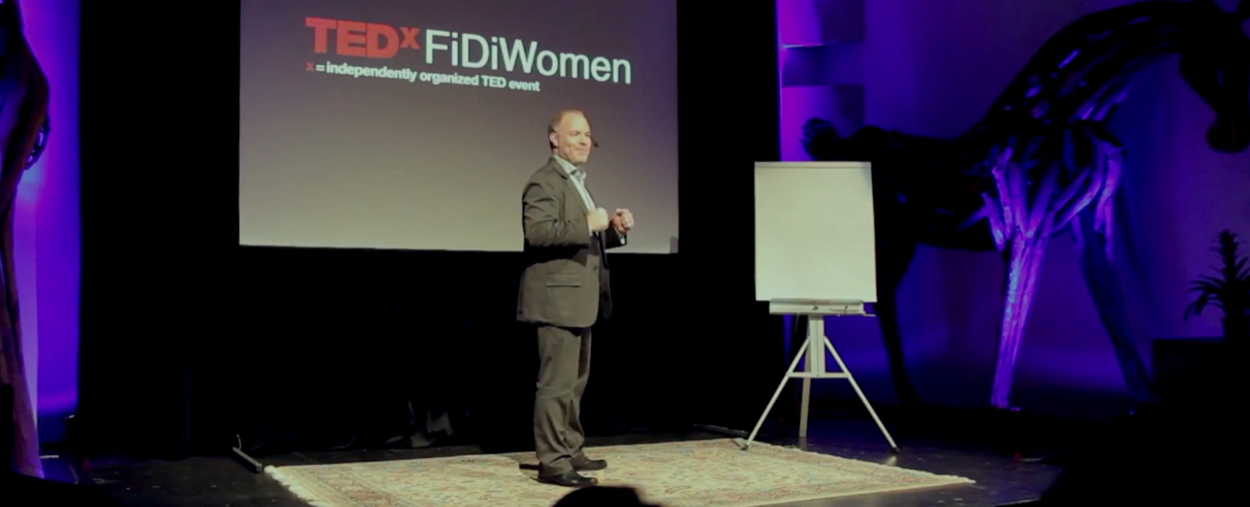
Domestic violence and sexual abuse are often called “women’s issues.” But in this bold, blunt talk, Jackson Katz points out that these are intrinsically men’s issues, and shows how these violent behaviours are tied to definitions of manhood. A clarion call for us all – women and men – to call out unacceptable behaviour and be leaders of change.